

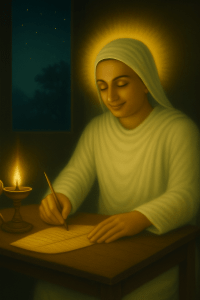
Introduction – viṇṇappak kaliveṇpā
This article delves into the profound viṇṇappak kaliveṇpā, a significant work from the First Thirumurai of the revered Ramalinga Swamigal, also known as Vallalar. We aim to provide a simple, easy-to-understand translation and commentary, making the spiritual insights accessible to everyone. This exploration of thiruarutpa will help you understand thiru arutpa and the thiru arutpa book as a whole.
If you want the original Tamil version without translation & commentary, click the following link: viṇṇappak kaliveṇpā Tamil
Poem Summary and Expectations
The viṇṇappak kaliveṇpā is a devotional offering, a heartfelt prayer presented in a specific poetic meter. It is expected to guide the reader towards a deeper understanding of the divine and the path to spiritual realization as expounded by Vallalar. We anticipate a rich tapestry of divine attributes and blessings as we move through the verses.
Original Tamil (Verse 1 – Couplet for invocation):
- அவ்வவ் விடைவந் தகற்றி அருள்தரலால் எவ்வெவ் விடையூறும் எய்தலிலம் – தெவ்வர்தமைக் கன்றுமத மாமுகமுங் கண்மூன்றுங் கொண்டிருந்த தொன்றதுநம் முள்ள முறைந்து.
Translation:
“By the arrival of each appropriate response to remove ills and bestow grace, No obstacles shall befall us – those who, having possessed the fury of enemies, the arrogance of the elephant-faced one, and the three eyes, reside within us.”
Commentary: This initial couplet serves as a prayer for protection and divine intervention. Vallalar invokes the grace that removes obstacles, ensuring that no hindrances will be encountered. The imagery of “enemies,” “the elephant-faced one” (likely referring to Ganesha, often depicted with an elephant’s face), and “three eyes” (a characteristic of Lord Shiva) points towards overcoming powerful negative forces and divine attributes that reside within the devotee’s heart.
Original Tamil (Verse 2):
- சொற்பெறுமெய்ஞ் ஞானச் சுயஞ்சோதி யாந்தில்லைச் சிற்சபையில் வாழ்தலைமைத் தெய்வமே – நற்சிவையாந்
Translation:
“O Supreme Deity residing in the Sabha of Chidambaram, the self-effulgent light of knowledge, the divine essence! You are indeed the benevolent Shiva.”
Commentary: This verse begins the praise of the divine in the Kālivenpā section. The focus shifts to Lord Shiva as He is present in the Thillai (Chidambaram) Sabha, the celestial dance hall. He is described as the “self-effulgent light of knowledge” (suyanjoti), emphasizing His inherent brilliance and wisdom. The term “Natchivaiyan” highlights His benevolent and auspicious nature.
Original Tamil (Verse 3):
- தாயி னுலகனைத்துந் தாங்குந் திருப்புலியூர்க் கோயி லமர்ந்தகுணக் குன்றமே – மாயமிகும்
Translation:
“O mountain of virtues, residing in the temple of Thiruputtiyur, who sustains the entire world like a mother! You are the supreme one, beyond illusion.”
Commentary: Here, the divine is likened to a “mountain of virtues” (gunakkundram), signifying His boundless and steadfast qualities. The location shifts to Thiruputtiyur, another significant place of worship. The analogy of a mother sustaining the world underscores the nurturing and life-giving aspect of the divine. The phrase “beyond illusion” (maayamigum) points to His transcendental nature, existing beyond the realm of Maya or worldly deception.
Original Tamil (Verse 4):
- வாட்களமுற் றாங்குவிழி மாதர்மய லற்றவர்சூழ் வேட்களமுற் றோங்கும் விழுப்பொருளே – வாழ்க்கைமனை
Translation:
“O precious substance, sought by those who are free from the infatuation of women and the illusions of the world, with eyes like a sword! You are the source of desire.”
Commentary: This verse describes the divine as the “precious substance” (vilupporul) that is attained by those who have overcome worldly attachments, particularly the “infatuation of women” (maadharmayalaatravarsuzh) and other “illusions of the world.” The “eyes like a sword” could symbolize His piercing gaze that discerns truth or His power to cut through ignorance. Interestingly, He is also referred to as the “source of desire” (vetkalamutrondngum), which in a spiritual context, refers to the divine longing or aspiration that leads one to seek Him.
Original Tamil (Verse 5):
- நல்வாயி லெங்கு நவமணிக்குன் றோங்குதிரு நெல்வாயி னின்றொளிரு நீளொளியே – செல்வாய்த்
Translation:
“O radiant, eternal light, shining from Nelvaay, where beautiful, new jeweled hills rise, serving as a great gateway to life!”
Commentary: This verse paints a picture of the divine as an “eternal light” (neeloliyē) emanating from Nelvaay. The place is described with imagery of “new jeweled hills” (navamanikkundrōnguthiru), suggesting a place of immense beauty and spiritual richness. Nelvaay is presented as a “great gateway to life” (nalvaayil engu), implying it’s a portal to spiritual existence or liberation.
Original Tamil (Verse 6):
- தெழிப்பாலை வேலைத் திரையொலிபோ லார்க்குங் கழிப்பாலை யின்பக் களிப்பே – விழிப்பாலன்
Translation:
“O bliss of divine enjoyment, roaring like the waves of the sea, with the sound of the tide! You are the playful one, with eyes.”
Commentary: The divine is here personified as the “bliss of divine enjoyment” (kazhippālaiyinba kalipē) whose presence is as powerful and resounding as the “waves of the sea” (velaitthiraiyolipōlārkkum). This comparison highlights the immense and overwhelming nature of divine joy. The description “playful one, with eyes” (vizhippālan) adds a sense of divine animation and attentiveness.
Original Tamil (Verse 7):
- கல்லூர்ப் பெருமணத்தைக் கட்டுரைக்கச் சோதிதரு நல்லூர்ப் பெருமணம்வாழ் நன்னிலையே – சொல்லுந்
Translation:
“O living state of goodness in Nallur, which offers light to describe the great assembly of Kallur! You are the one who speaks.”
Commentary: This verse refers to Nallur as the abode of “goodness” (nannilaiyē), where the divine presence illuminates and enables the description of the “great assembly of Kallur” (kallurpperrumanaththaik katturaikkach sōthitharu). This suggests that the divine enables understanding and articulation. The phrase “You are the one who speaks” (sollun) implies the divine as the source of all knowledge and expression.
Original Tamil (Verse 8):
- தயேந்திர ருள்ளத் தடம்போ லிலங்கும் மயேந்திரப் பள்ளியின்ப வாழ்வே – கயேந்திரனைக்
Translation:
“O joyous life in Mayendrapalli, shining like a lake in the hearts of all! You are the one who.”
Commentary: The divine is described as the “joyous life” (inba vāzhvē) in Mayendrapalli, shining brightly like a serene lake within the hearts of devotees. This imagery evokes a sense of inner peace and divine presence that resides within the innermost self. The verse emphasizes the intimate connection between the devotee and the divine.
Original Tamil (Verse 9):
- காயலுறா தன்றுவந்து காத்தோன் புகழ்முல்லை வாயிலி னோங்கு மணிவிளக்கே – மேய
Translation:
“O precious lamp, shining through the jasmine creeper of His fame, who came and protected without being harmed!”
Commentary: This verse refers to the divine as a “precious lamp” (mani vilakkē) whose fame spreads like a “jasmine creeper” (pukazhmullai). The divine is also acknowledged as the protector who “came and protected without being harmed” (kāyaluṟā thatru vandhu kāthōn). This highlights the divine’s power, grace, and protective intervention in the lives of devotees.
Original Tamil (Verse 10):
- பலிக்காவூர் தோறும் பதஞ்சேப்பச் சென்று கலிக்காமூர் மேவுங் கரும்பே – வலிக்காலில்
Translation:
“O dark one, residing in Kalikamoor, going to offer His feet in every Bhikshavoor! “
Commentary: This verse describes the divine as the “dark one” (karumbē) who resides in Kalikamoor and goes to offer His “feet” (pathanjēppach sendru) in various places (bhikshavoor). Offering one’s feet is a gesture of humility and devotion. The “dark one” can refer to the divine’s formless or all-pervading nature, or perhaps the dark, formless divine substance.
Original Tamil (Verse 11):
- பாய்48க்காடு கின்றவொரு பச்சை முகில்பரவுஞ் சாய்க்காடு மேவுந் தடங்கடலே – வாய்க்கமையச்
Translation:
“O vast ocean, pervading like a green cloud, residing in Saikkadu!”
Commentary: The divine is portrayed as a “vast ocean” (thadangadalē) that spreads like a “green cloud” (pachai mugilparavun) and resides in Saikkadu. The imagery of a vast ocean signifies boundlessness and depth, while the “green cloud” might symbolize fertility, freshness, or auspiciousness. This verse emphasizes the pervasive and encompassing nature of the divine.
Original Tamil (Verse 12):
- சொல்லவ னீச்சரங்கு தோயவும்ப ராம்பெருமைப் பல்லவ னீச்சரத்தெம் பாவனமே – நல்லவர்கள்
Translation:
“O our ultimate contemplation in Pallavanicharam, who embraces and pervades the Sambandhar of the Ishwaram!”
Commentary: This verse refers to the divine as the “ultimate contemplation” (pāvanamē) in Pallavanicharam, a place associated with the Ishwaram. The divine is described as embracing and pervading, suggesting an all-encompassing presence. The mention of “Sambandhar” might refer to a devotee or a specific spiritual connection.
Original Tamil (Verse 13):
- கண்காட்டு நெற்றிக் கடவுளே யென்றுதொழ வெண்காட்டின் மேவுகின்ற மெய்ப்பொருளே – தண்காட்டிக்
Translation:
“O true substance residing in Venkadu, whom the good ones worship, calling out ‘O God of the forehead, visible to our eyes!’ “
Commentary: The divine is identified as the “true substance” (meypporulē) in Venkadu. Devotees worshipfully call out to the divine as the “God of the forehead, visible to our eyes” (kankāttu netrik kadavulē). This emphasizes the divine’s accessibility and visibility to the sincere devotee, even in a form that can be perceived.
Original Tamil (Verse 14):
- கார்காட்டித் தையலர்தங் கண்காட்டிச் சோலைகள்சூழ் சீர்காட்டுப் பள்ளிச் சிவக்கொழுந்தே – பார்காட்
Translation:
“O essence of divine grace, in Sirkadu, surrounded by gardens and the captivating eyes of women!”
Commentary: This verse addresses the divine as the “essence of divine grace” (Sivakkolundhē) located in Sirkadu. The surroundings are described with imagery of gardens and the “captivating eyes of women” (thaiyalarthang kankāttich sōlaigal), perhaps indicating a place of beauty and allure, which the divine transcends.
Original Tamil (Verse 15):
- டுருகாவூ ரெல்லா மொளிநயக்க வோங்குங் குருகாவூர் வெள்ளடையெங் கோவே – அருகாத
Translation:
“O our King, the white one residing in Gurukavu, shining with brilliance, sought by all in Urukavu!”
Commentary: The divine is hailed as “our King” (eng kōvē) and the “white one” (velladaiyē) residing in Gurukavu. He is described as shining with brilliance and being sought after by all in Urukavu. The “white one” can symbolize purity, divinity, or enlightenment.
Original Tamil (Verse 16):
- கார்49காழி னெஞ்சக் கவுணியர்க்குப் போதமருள் சீர்காழி ஞானத் திரவியமே – ஓர்காழிப்
Translation:
“O treasure of wisdom in Sirkali, who bestows grace upon the hearts of the Kauniyas!”
Commentary: This verse identifies the divine as the “treasure of wisdom” (jnana thiraviyamē) in Sirkali, a place renowned for spiritual knowledge. The divine is also depicted as bestowing grace upon the “Kauniyas” (kavuniyarkkup pōthamaruḷ), possibly referring to a specific lineage of sages or enlightened beings.
Original Tamil (Verse 17):
- பாலற்கா வன்று பசும்பொற்றா ளங்கொடுத்த கோலக்கா மேவுங் கொடையாளா – கோலக்கா
Translation:
“O generous giver, residing in Kolakka, who, in ancient times, gifted golden anklets to the child!”
Commentary: *The divine is praised as a “generous giver” (kodaiyāḷā) residing in Kolakka. The verse recalls an instance where the divine gifted “golden anklets” (pasumpotrālangkodutha) to a child in ancient times.

Want Vallalar's wisdom
delivered free to your inbox?
All directly to your favourite email inbox.
We take you by hand, at your own pace. Step-by-Step.
- Free E-book: Jeevakarunyam Ozhukkam — Vallalar's Guide to Compassionate Living IMMEDIATE DOWNLOAD
- Free E-books, translations & commentaries
- Free health tips from Vallalar's manuscripts
- Free community
- Free Emporium items
- & Much More 🎁
🕯️ Welcome to the Journey
Look for an email from international@sanmarkkamlife.org. Check your inbox, spam folder and Promotions tab. Your first teaching and your free e-book are on their way.
🔒 We hate Spam. No Pressure. 0 Selling or Pitching.
1 Click Unsubscribe any time.
Privacy Policy · Sanmarkkam Life APS · GDPR compliant