

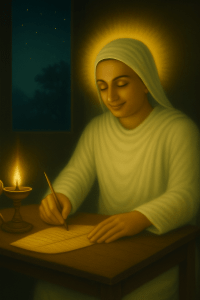
Welcome to our first post of First Thirumurai of Thiru Arutpa, the revered collection of sacred verses by the eminent Tamil saint, Ramalinga Adigalar (Vallalar). In this post, we begin our exploration with ‘Thiruvadi Pugazhchi’ – a deeply moving praise of the Divine Holy Feet.
This article provides not just a comprehensive translation of Thiruvadi Pugazhchi from the original Tamil… but also an in-depth commentary to help you uncover the layers of spiritual meaning and the subtle nuances of Vallalar’s poetic genius.
Whether you are looking for a Thiru Arutpa translation, a deeper understanding of Vallalar’s teachings, or simply wish to immerse yourself in devotional Tamil poetry, this is the perfect place!
If you are looking for the original prose in native language, click the following link: Thiruvadi Pugazhchi Tamil
Short Summary for the Poem Thiruvadi Pugazhchi
“The ‘Thiruvadi Pugazhchi’ (Praise of the Holy Feet) is an exquisite and foundational poem. It serves as a majestic invocation, elaborately describing the multifaceted nature of the Divine through a series of epithets.
Readers can expect to encounter rich philosophical concepts, profound expressions of ultimate reality, and a celebration of the Divine’s omnipresence, consciousness, bliss, and supreme grace, all centered around the symbolic ‘Holy Feet’ as the source of all existence and liberation.”
நூற்றிருபத்தெட்டு அடியான் மிகுந்து வந்த கழிநெடிலடி ஆசிரிய விருத்தம் திருச்சிற்றம்பலம்
Original Tamil:
- பரசிவம்சின்மயம் பூரணம் சிவபோக பாக்கியம் பரமநிதியம் பரசுகம் தன்மயம் சச்சிதா னந்தமெய்ப் பரமவே காந்தநிலயம் பரமஞா னம்பரம சத்துவம கத்துவம் பரமகை வல்யநிமலம் பரமதத் துவநிரதி சயநிட்க ளம்பூத பௌதிகா தாரநிபுணம்
Translation:
- Parashivam is pure consciousness, complete, the blessed state of divine enjoyment, the supreme treasure; It is supreme bliss, self-existent, the true Satchidananda, the supreme abode of unique oneness; It is supreme knowledge, supreme purity and greatness, supreme, unblemished liberation; It is the supreme reality, incomparable, formless, the subtle basis of all elements, exquisitely skillful.
Commentary: This inaugural verse sets the stage by eulogizing the nature of Parashivam (Supreme Shiva/The Ultimate Reality). The entire stanza is a cascade of epithets, each building upon the last to describe the ineffable and all-encompassing nature of the Divine. “Thiru” (from the title) is a highly auspicious and multifaceted prefix meaning Divine, Holy, Sacred, Graceful, Auspicious, Prosperous, or Beautiful. “Chinmayam” means pure consciousness. “Poornam” means complete. “Sivabhoga Baakkiyam” refers to the blessed experience of divine joy. “Satchidananda” refers to Existence-Consciousness-Bliss. “Nishkalam” means formless or without parts.
Original Tamil: 2. பவபந்த நிக்ரக வினோதச களம்சிற் பரம்பரா னந்தசொருபம் பரிசயா தீதம்சு யம்சதோ தயம்வரம் பரமார்த்த முக்தமௌனம் படனவே தாந்தாந்த மாகமாந் தாந்தநிரு பாதிகம் பரமசாந்தம் பரநாத தத்துவாந் தம்சகச தரிசனம் பகிரங்க மந்தரங்கம்
Translation: 2. It is the playful, manifest form that overcomes the bonds of birth, the essence of supreme, transcendent bliss; It is beyond contact, self-manifesting, the supreme truth, ultimate liberation through silence; It is the goal of Vedanta and Agamas, unconditioned, supremely peaceful; It is the culmination of supreme Naada, inherent vision, both external and internal.
Commentary: This stanza continues to describe the Divine, focusing on its role in liberation and its transcendent yet immanent nature. “Bhavabandha Nikragam” means overcoming the bonds of rebirth. “Vinoda Sagalam” suggests a playful, manifest form, divine sport. “Paramaananda Swarupam” is the essence of supreme bliss. “Parisam-atiitam” means beyond touch. “Mukta Mounam” signifies liberated silence. It is the end (anta) of both Vedanta (philosophical treatises) and Agama (esoteric ritual texts). “Nirupatigam” means unconditioned. “Paranaada Tattva” refers to the supreme primordial sound. “Sahaja Dharshanam” means inherent vision. “Bahirangam” (external) and “Antarangam” (internal) suggest its omnipresence.
Original Tamil: 3. பரவியோ மம்பரம ஜோதிமயம் விபுலம் பரம்பர மனந்தமசலம் பரமலோ காதிக்க நித்தியசாம் பிராச்சியம் பரபதம் பரமசூக்ஷ்மம் பராபர மநாமய நிராதர மகோசரம் பரமதந் திரம்விசித்ரம் பராமுத நிராகரம் விகாசனம் விகோடணம் பரசுகோ தயமக்ஷயம்
Translation: 3. It is supreme space, filled with supreme light, vast, transcendent, infinite, unmoving; It is the eternal empire overseeing supreme worlds, the supreme state, supremely subtle; It is beyond the beyond, without blemish, without support, imperceptible, the supreme art, wonderful; It is the supreme source, without rejection, expansive, all-encompassing, the dawn of supreme bliss, indestructible.
Commentary: This verse expands on the Divine’s omnipresence, subtlety, and unchangeable nature. “Paravyoma” means supreme space. “Param Jyotirmayam” means filled with supreme light. “Vipulam” (vast), “Anantham” (infinite), and “Achalam” (unmoving) emphasize its boundlessness and stability. “Parama Lokadiga Nitya Saamrajyam” describes it as the eternal empire presiding over all supreme worlds. “Parapadam” is the supreme state.
“Parama Sukshmam” means supremely subtle. “Paraaparam” is beyond the highest. “Anamayam” means without blemish. “Niraadharam” is without support. “Agosaram” means imperceptible. The final lines depict it as the ultimate source of endless, expansive, indestructible bliss.
Original Tamil: 4. பரிபவ விமோசனம் குணரகிதம் விசுவம்ப தித்துவ பரோபரீணம் பஞ்சகிர்த் தியசுத்த கர்த்தத்து வம்தற்ப ரம்சிதம் பரவிலாசம் பகர்சுபா வம்புனித மதுலமது லிதமம்ப ராம்பர நிராலம்பனம் பரவுசா க்ஷாத்கார நிரவய வங்கற்ப னாதீத நிருவிகாரம்
Translation: 4. It is liberation from contempt, devoid of qualities, the essence of the universe, superior to the highest; It is the pure agency of the five cosmic functions, the supreme, the divine play of consciousness; It is the declared pure nature, incomparable, unsupported by heaven or earth; It is the celebrated direct experience, without parts, beyond imagination, unchangeable.
Commentary: This stanza highlights the Divine’s purity, its role in cosmic functions, and its nature as pure consciousness beyond human conceptualization. “Paribhava Vimochana” means liberation from contempt or suffering. “Guna Rahitam” signifies that it is beyond the three gunas (qualities of nature). “Panchakirthiya Suddha Karttattuvam” denotes its pure agency in the five cosmic functions: creation, sustenance, dissolution, concealment, and grace.
“Chidambara Vilaasam” is the divine play or dance of consciousness, often associated with Shiva. “Ambarambar Niraalambanam” means unsupported by even the heavens. “Sakshatkara Niravayavam” is direct experience, without parts. “Kalpanaateeta Nirvikaram” means beyond imagination and unchangeable.
Original Tamil: 5. பரதுரிய வநுபவம் குருதுரிய பதமம் பகம்பகா தீதவிமலம் பரமகரு ணாம்பரம் தற்பதம் கனசொற் பதாதீத மின்பவடிவம் பரோக்ஷஞா னாதீதம் அபரோக்ஷ ஞானானு பவவிலாசப் பிரகாசம் பாவனா தீதம்கு ணாதீதம் உபசாந்த பதமகா மௌனரூபம்
Translation: 5. It is the experience of supreme Turiya, the supreme state of the guru’s Turiya, pure, beyond all division; It is the supremely compassionate sky, the supreme state, beyond words, the form of bliss; It is beyond indirect knowledge, the radiant manifestation of direct knowledge and experience; It is beyond thought, beyond qualities, the supremely peaceful state, the form of great silence.
Commentary: This verse delves into the spiritual experiences associated with the Divine, particularly the transcendent state of Turiya. “Paraturiyanu Bhava” refers to the experience of supreme Turiya, the fourth state of consciousness. “Guru Turiya Padamam” implies it is the supreme Turiya state of the Guru. “Pagam Pagaatita Vimalam” means pure, beyond all divisions. “Paramakarunambaram” describes it as the supremely compassionate sky, signifying boundless grace.
“Tat Padam” means ‘That state’. “Kanasol Padatita Inbavadivam” means the form of bliss beyond dense words. “Aparoksha Gnananu Bhava Vilasa Prakasam” signifies the radiant manifestation of direct knowledge. “Bhavanaateetam” means beyond thought. “Gunaateetam” means beyond qualities. “Maha Mounaroopam” is the form of great silence.
Original Tamil: 6. பரமபோ தம்போத ரகிதசகி தம்சம்ப வாதீத மப்பிரமேயம் பகரனந் தானந்தம் அமலமுசி தம்சிற்ப தம்சதா னந்தசாரம் பரையாதி கிரணாங்க சாங்கசௌ பாங்கவிம் பாகார நிருவிகற்பம் பரசுகா ரம்பம்ப ரம்பிரம வித்தம்ப ரானந்த புரணபோகம்
Translation: 6. It is supreme knowledge, with and without knowledge, beyond possibility, immeasurable; It is infinite bliss, pure, fitting, the state of consciousness, the essence of eternal bliss; It is the non-dual form of the beautiful, complete reflection of Parai and other rays/limbs; It is the beginning of supreme bliss, the supreme Brahman, the full enjoyment of supreme bliss.
Commentary: This stanza continues to explore the paradoxes of the Divine’s nature: simultaneously with and without attributes, the source of all and yet beyond all. “Parama Bodham” is supreme knowledge. “Bodha Rahita Sagitam” means it is both with and without knowledge, transcending conventional understanding. “Sambhavaadeetam” means beyond possibility or creation. “Aprameyam” means immeasurable. “Anantaanandam” refers to infinite bliss.
“Amalam Uchtitam Sir Padam Sadaananda Saram” means pure, fitting, the state of consciousness, the essence of eternal bliss. “Paraiyadi Kiranaanga Saanga Sowbaanga Vimbaakara Nirvikalpam” is complex: “Parai” refers to the supreme primordial energy (Shakti). “Kiranaanga” refers to its rays or limbs. “Vimbaakara Nirvikalpam” suggests a non-dual form which is a perfect reflection of this Divine power. It is the beginning and the full enjoyment of supreme bliss, the supreme Brahman.
Original Tamil: 7. பரிமிதா தீதம்ப ரோதயம் பரகிதம் பரபரீணம் பராந்தம் பரமாற்பு தம்பரம சேதனம் பசுபாச பாவனம் பரமமோக்ஷம் பரமானு குணநவா தீதம்சி தாகாச பாஸ்கரம் பரமபோகம் பரிபாக வேதன வரோதயா னந்தபத பாலனம் பரமயோகம்
Translation: 7. It is beyond measure, supreme dawn, supreme good, supreme completion, the supreme end; It is supremely wonderful, supreme consciousness, the sanctifier of souls and bonds, supreme liberation; It is beyond the nine categories of supreme qualities, the sun in the sky of consciousness, supreme enjoyment; It is the protection of the state of blissful dawn of maturity, supreme yoga.
Commentary: ***This verse emphasizes the Divine as the ultimate, liberating, and all-encompassing reality. “Parimitaateetam” means beyond measure. “Parodayam” is supreme dawn, suggesting enlightenment. “Para Hitam” is supreme good. “Parapareenam Paraantam” means supreme completion and the supreme end, implying ultimate destination. “Paramaarputam” is supremely wonderful. “Parama Chethanam” is supreme consciousness. “Pasu Paasa Paavanam” refers to the purification of souls (Pasu) and their bonds (Paasa), leading to liberation. “Parama Moksham
Original Tamil: 8. பரமசாத் தியவதீ தானந்த போக்கியம் பரிகதம் பரிவேத்தியம் பரகேவ லாத்விதா னந்தானு பவசத்த பாதாக்ர சுத்தபலிதம் பரமசுத் தாத்விதா னந்தவனு பூதிகம் பரிபூத சிற்குணாந்தம் பரமசித் தாந்தநிக மாந்தசம ரசசுத்த பரமானு பவவிலாசம்
Translation: 8. It is the supreme, attainable, transcendent bliss, to be enjoyed, diffused, to be known; It is the pure fruition from the very tip of the feet, the experience of supreme singular non-dual bliss; It is the experience of supremely pure non-dual bliss, the complete end of conscious qualities; It is the radiant manifestation of the supremely pure direct experience, born of the harmony of Siddhanta and Vedanta.
Commentary: This stanza focuses on the ultimate spiritual experience and the harmonious culmination of various philosophical paths in realizing the Divine. “Parama Saattyavadhi” refers to the supreme attainable limit or goal. “Ananda Bhogiyam” is blissful enjoyment. “Parigatam Parivedyam” suggests that it is diffused everywhere and to be known. “Parakevala Advitaanandanubhava Satpadaagra Suddha Palitham” is a very rich phrase: it describes the pure fruition (Suddha Palitham) that comes from the very tip of the holy feet (Satpadaagra), leading to the experience of supreme singular non-dual bliss (Parakevala Advitaananda).
This highlights the concept that spiritual attainment flows from the Divine’s grace. “Parama Suddha Advitaanandanubhoothigam” reiterates the experience of supremely pure non-dual bliss. “Paribhootha Sirgunaantam” means the complete culmination or end of conscious qualities, suggesting a state beyond attributes. “Parama Siddhanta Nigamaantha Samarasa Suddha Paramaanubhava Vilaasam” signifies that this reality is the radiant manifestation of supreme pure direct experience, which emerges from the harmonious reconciliation (Samarasa) of Siddhanta (the experiential, realization-focused school of thought, especially Shaiva Siddhanta) and Nigamaantha (Vedanta, the philosophical culmination of the Vedas). This emphasizes Vallalar’s inclusive and synthetic approach to spirituality.
Original Tamil: 9. தரமிகும் சர்வசா திட்டான சத்தியம் சர்வவா னந்தபோகம் சார்ந்தசர் வாதார சர்வமங் களசர்வ சத்திதர மென்றளவிலாச் சகுணநிர்க் குணமுறு சலக்ஷண விலக்ஷணத் தன்மைபல வாகநாடித் தம்மைநிகர் மறையெலா மின்னுமள விடநின்ற சங்கர னநாதியதி
Translation: 9. It is the supremely stable, all-pervading truth, the enjoyment of universal bliss; It is the all-supporting, all-auspicious, all-powerful essence, immeasurable; Searching through the many unique and characteristic aspects, both with and without qualities, Shankara, the beginningless Lord, whose equal the Vedas have yet to measure.
Commentary: This stanza continues to elaborate on the Divine’s foundational nature, its dual aspect (with and without qualities), and its eternal, incomparable status as Lord Shankara. “Taramigum Sarvasaatistaana Satthiyam” describes it as the supremely stable and all-pervading truth, the substratum of everything. “Sarvaanaanda Bhogam” means the enjoyment of universal bliss, implying it is the source of all joy. “Saarndha Sarvaadhaara Sarva Mangala Sarva Sakthitaram” means it is the all-supporting, all-auspicious, and all-powerful essence.
“Alavilaa” means immeasurable. The verse then describes how scriptures (“maraiyellaam” – all Vedas/scriptures) strive to measure or comprehend its essence by observing its many unique characteristics (“salakshana vilakshana thanmai pala vaaga naadith“) which include both “Saguna” (with qualities/attributes, personal aspect) and “Nirguna” (without qualities/attributes, impersonal aspect). This highlights the Divine’s ability to manifest in diverse forms while remaining ultimately transcendent. The stanza concludes by naming the Divine as “Sankaran Anaadiyathi” – Shankara, the beginningless primal being, whose equal the Vedas themselves cannot yet fully measure (“thammai nigar maraiyelaam innum alavidanintra“), emphasizing his supreme, unparalleled nature.
Original Tamil: 10. சாமகீ தப்பிரியன் மணிகண்ட சீகண்ட சசிகண்ட சாமகண்ட சயசய வெனுந்தொண்ட ரிதயமலர் மேவிய சடாமகுடன் மதனதகனன் சந்திரசே கரனிடப வாகனன் கங்கா தரன்சூல பாணியிறைவன் தனிமுத லுமாபதி புராந்தகன் பசுபதி சயம்புமா தேவனமலன்
Translation: 10. He is dear to the Sama Veda chants, the jewel-throated, graceful-throated, moon-necked, dark-throated; He with matted locks, dwelling in the lotus-hearts of devotees who chant “Jaya Jaya” (victory, victory), the burner of Kama; He is Chandrashekhara (Moon-crested), the rider of the bull, Gangadhara (bearer of Ganga), the Lord with the trident in hand; The unique primeval Lord, Umadevi’s consort, Purantaka (destroyer of cities), Pasupathi (Lord of souls), Swayambhu (self-manifested), the immaculate Mahadeva.
Commentary: *This stanza shifts from abstract philosophical descriptions to concrete, devotional epithets of Lord Shiva, the personal form of Parashivam, emphasizing his iconic attributes and benevolent actions. “Saamageetha Piriyan” means dear to the chanting of the Sama Veda, highlighting his enjoyment of devotional music. The verse then lists several iconic names and descriptions of Shiva:
- “Manikanda” (Jewel-throated)
- “Seekanda” (Graceful-throated)
- “Sasikanda” (Moon-necked)
- “Saamakanda” (Dark-throated) – These refer to his blue throat from consuming the poison Halahala during the Samudra manthan (churning of the ocean), saving the universe, and the presence of the moon on his head.
- “Jayajaya venum Thondar Idhaya Malar Meviya Sadamukudan” – He with matted locks (Sadamukudan) who dwells in the lotus-hearts of devotees chanting “Victory, victory!”
- “Madanadakanan” – The burner of Kama (Manmatha), the god of desire, signifying his triumph over worldly desires.
- “Chandrasekaran” – The one who bears the moon on his head.
- “Idabha Vaahanan” – Rider of the bull (Nandi), his mount.
- “Gangadharan” – The one who holds the river Ganga in his matted locks.
- “Soola Paani Iraivan” – The Lord with the trident in his hand.
- “Thanimudal” – The unique primeval Lord.
- “Umaapathi” – Consort of Uma (Parvati).
- “Puraanthagan” – Destroyer of the three cities (Tripura), symbolizing destruction of ignorance.
- “Pasupathi” – Lord of all souls (Pasu).
- “Swayambhu” – Self-manifested, not created.
- “Amalan” – Immaculate, pure.
- “Mahadevan” – The Great God. This stanza is rich in Shaivite iconography and devotional fervor.*
Original Tamil: 11. தாண்டவன் தலைமாலை பூண்டவன் தொழுமன்பர் தங்களுக்கருளாண்டவன் தன்னிகரில் சித்தெலாம் வல்லவன் வடதிசைச் சைலமெனு மொருவில்வன் தக்ஷிணா மூர்த்தியருண் மூர்த்திபுண் ணியமூர்த்தி தகுமட்ட மூர்த்தியானோன் தலைமைபெறு கணநாய கன்குழக னழகன்மெய்ச் சாமிநந் தேவதேவன்
Translation: 11. He is the Dancer, the one adorned with a garland of skulls, the benevolent ruler for devotees who worship him; He is the unparalleled Siddha, capable of all, with a bow made of the northern mountain; He is Dakshinamurti, the form of grace, the form of merit, the one who became the fitting Eight Forms; He is the supreme leader, Gananayaka, the eternally youthful, the beautiful, our true Lord, the God of gods.
Commentary: *This stanza continues the eulogy of Lord Shiva, focusing on his diverse forms, powers, and supreme status.
- “Thandavan” – The Cosmic Dancer (Nataraja), symbolizing his role in the cosmic cycles of creation and destruction.
- “Thalai Maalai Poondavan” – The one adorned with a garland of skulls, representing his mastery over death and time.
- “Thozhumanbar Thangalukkarul Andavan” – The benevolent ruler who bestows grace upon his worshipping devotees.
- “Thannigaril Sitthelaam Vallavan” – The unparalleled Siddha (perfected being), capable of all (omnipotent).
- “Vada Thisai Sailamenum Oruvllvan” – The one who wielded the northern mountain (Mount Meru) as a bow, referring to the Tripura Samhara legend.
- “Dakshinaamurti” – Shiva as the silent Guru, facing south, imparting supreme knowledge.
- “Arun Moorthy” – The form of grace.
- “Punniya Moorthy” – The form of merit or virtue.
- “Thagum Atta Moorthy Yaanoon” – The one who manifested as the fitting Eight Forms (Ashtamurti), which include earth, water, fire, air, ether, sun, moon, and the sacrificer (or individual soul), signifying his immanence in the cosmos.
- “Thalaimai Perum Gananaayagan” – The supreme leader, Gananayaka (leader of the Ganas, Shiva’s hosts).
- “Kuzhagan” – The eternally youthful.
- “Azhagan” – The beautiful one.
- “Meich Saami Nam Devadevan” – Our true Lord, the God of gods. This verse showcases Shiva’s power, wisdom, and compassionate nature as the ultimate spiritual guide and universal sovereign.*
Original Tamil: 12. சம்புவே தண்டன் பிறப்பிலான் முடிவிலான் தாணுமுக் கண்களுடையான் சதுரன் கடாசல வுரிப்போர்வை யான்செந் தழற்கரத் தேந்திநின்றோன் சர்வகா ரணன்விறற் காலகா லன்சர்வ சம்பிரமன் சர்வேச்சுரன் தகைகொள்பர மேச்சுரன் சிவபிரா னெம்பிரான் தம்பிரான் செம்பொற்பதம்
Translation: 12. He is Shambhu, the Punisher, birthless, endless, the Immovable, with three eyes; The clever one, clad in the skin of the elephant demon, holding a blazing fire in his hand; He is the cause of all, the mighty Lord of Death, the Lord of all creation, the Lord of all; The glorious Parameshwaran, Sivapiran, our Lord, our Master – His golden Holy Feet.
Commentary: *This stanza continues to glorify Shiva, emphasizing his eternality, destructive power over evil, and ultimate sovereignty, culminating in a direct reference to his “Holy Feet.”
- “Shambhuve” – Shiva as the benevolent one, bestower of happiness.
- “Thandan” – The Punisher or disciplinary one, who upholds dharma.
- “Pirappilaan” – Birthless, indicating his eternal nature.
- “Mudivilaan” – Endless, immortal.
- “Thaanu” – The Immovable or fixed one, representing his unchanging nature.
- “Muk Kannudaiyaan” – Possessor of three eyes, symbolizing his insight beyond dualities and his destructive power (the third eye).
- “Sathuran” – The clever or skillful one.
- “Kadaachala Uriporvaiyaan” – Clad in the skin of the elephant demon (Gajasura), whom he defeated.
- “Sen Thazharkkarathth Thendinindron” – The one standing holding a blazing fire in his hand, representing destruction of impurities.
- “Sarva Kaaranan” – The cause of all.
- “Viral Kaalakaalan” – The mighty Lord of Death (Kala), meaning he is death to Death itself, granting immortality.
- “Sarva Sampiraman” – The Lord of all creation or all splendor.
- “Sarveswaran” – The Lord of all.
- “Thagaikol Parameswaran” – The glorious Supreme Lord.
- “Sivapiran Empiraan Thampiran” – Shiva the great Lord, our Lord, our Master.
- “Sempon Padam” – His golden Holy Feet – the ultimate object of praise and refuge. This is the first explicit mention of the “Feet” after the title, bringing the focus back to the core theme.*
Original Tamil: 13. தகவுபெறு நிட்பேத நிட்கம்ப மாம்பரா சத்திவடி வாம்பொற்பதம் தக்கநிட் காடின்ய சம்வேத நாங்கசிற் சத்திவடி வாம்பொற்பதம் சாற்றரிய விச்சைஞா னங்கிரியை யென்னுமுச் சத்திவடி வாம்பொற்பதம் தடையிலா நிர்விடய சிற்குண சிவாநந்த சத்திவடி வாம்பொற்பதம்
Translation: 13. His glorious Holy Feet are the form of the Ppara Shakti (Supreme Energy), without distinction, unshaking; His fitting Holy Feet are the form of the Conscious Power, which is firm and united; His ineffable Holy Feet are the form of the three Shaktis: Ichcha (Will), Gnana (Knowledge), and Kriya (Action); His boundless Holy Feet are the form of the pure, attributeless, blissful Shiva-Ananda Shakti.
Commentary: This stanza delves into the Divine Feet as manifestations of various aspects of Shakti (Divine Power), emphasizing their fundamental nature and attributes. “Thagavu Perum Nitpetcha Nitkambaam Para Sakthi Vadivaam Porpadam” describes the Holy Feet as the form of the Para Shakti (Supreme Energy), which is without distinction (Nitpetcha) and unshaking (Nitkamba), signifying its foundational and unchangeable nature.
“Thakka Nitkaadinya Samvedanaam Sir Sakthi Vadivaam Porpadam” means the fitting Holy Feet are the form of the Conscious Power (Sir Sakthi), which is firm and united, implying its unwavering and comprehensive awareness. “Saatrariya Ichcha Gnanam Kriyai Yennum Muchchatti Vadivaam Porpadam” states that the ineffable Holy Feet are the form of the three fundamental Shaktis: * Ichcha Shakti (Power of Will/Desire) * Gnana Shakti (Power of Knowledge) * Kriya Shakti (Power of Action) This indicates that the Divine Feet are the source and embodiment of all divine will, knowledge, and creative action. “Thadaiyilaa Nirvidaya Sirguna Shivaananda Sakthi Vadivaam Porpadam” concludes by describing the boundless Holy Feet as the form of the Shiva-Ananda Shakti, which is pure consciousness (Sirguna), attributeless (Nirvidaya), and the source of ultimate bliss.
Original Tamil: 14. தகுவிந்தை மோகினியை மானையசை விக்குமொரு சத்திவடி வாம்பொற்பதம் தாழ்விலீ சானமுதன் மூர்த்திவரை யைஞ்சத்தி தஞ்சத்தி யாம்பொற்பதம் சவிகற்ப நிருவிகற் பம்பெறு மனந்தமா சத்திசத் தாம்பொற்பதம் தடநிருப வவிவர்த்த சாமர்த்திய திருவருட் சத்தியுரு வாம்பொற்பதம்
Translation: 14. His fitting Holy Feet are the form of the singular Shakti that stirs the enchanting deer (Maya); His flawless Holy Feet are the five Shaktis, from Ishana to the various Murthis, five times five Shaktis; His Holy Feet are the infinite Great Shakti, both with and without distinctions (Savikalpa and Nirvikalpa), truly existing; His vast, unchangeable Holy Feet are the form of the Divine Grace-Shakti, empowered by immense, unmanifested might.
Commentary: This stanza continues to enumerate the diverse manifestations of Divine Power embodied in the Holy Feet, emphasizing their role in cosmic illusion and the various levels of divine manifestation. “Thagu Vindai Moginiyai Maanai Asaivikkum Oru Sakthi Vadivaam Porpadam” states that the fitting Holy Feet are the form of the singular Shakti that stirs the enchanting deer, often interpreted as Maya (cosmic illusion) or the mind, suggesting the Divine’s control over illusion.
“Thaazhvil Isaanamudhal Moorthivarai Ainjsatthi Thanjsatthiyaam Porpadam” means his flawless Holy Feet are the five Shaktis, from Ishana (one of Shiva’s five faces/aspects) to the various Murthis (deities/forms), implying that the Divine Feet encompass the powers of all manifested deities. The phrase “five times five Shaktis” (Thanj-satthiyaam) could refer to the 25 tattvas or combinations of Shaktis related to various cosmic principles, further elaborating on the vastness of divine manifestation. “Savikalpa Nirvikalpam Perum Ananthamaa Sakthi Satthaam Porpadam” describes the Holy Feet as the infinite Great Shakti, which encompasses both “Savikalpa” (with distinctions/attributes, a state of mind that perceives differences) and “Nirvikalpa” (without distinctions/attributes, a state of pure consciousness), signifying its presence in both the manifest and unmanifest realms, truly existing.
“Thada Nirupava Vivartta Saamartthiya Thiruvarut Sakthi Uruvaam Porpadam” concludes by stating that his vast, unchangeable Holy Feet are the form of the Divine Grace-Shakti (Thiruvarul Sakthi), empowered by immense, unmanifested might (Nirupava Vivartta Saamartthiya), highlighting that the ultimate power residing in the Holy Feet is that of boundless, transformative grace.
Original Tamil: 15. தவாதசாந் தப்பதந் துவாதசாந் தப்பதந் தருமிணை மலர்ப்பூம்பதம் சகலர்விஞ் ஞானகலர் பிரளயா கலரிதய சாக்ஷியா கியபூம்பதம் தணிவிலா அணுபக்ஷ சம்புப க்ஷங்களிற் சமரச முறும்பூம்பதம் தருபரஞ் சூக்குமந் தூலமிவை நிலவிய தமக்குளுயி ராம்பூம்பதம்
Translation: 15. His lovely flower-like Holy Feet grant the states of Dvadashanta and Atidashanta; His lovely flower-like Holy Feet are the witness in the hearts of Sakalar, Vijnanakalar, and Pralayakalar; His lovely flower-like Holy Feet establish harmony among the unwavering atomic and Shambhu sides; His lovely flower-like Holy Feet are the very life within the supreme, subtle, and gross realms where they prevail.
Commentary: This stanza continues to describe the omnipresence and subtle influence of the Holy Feet across various spiritual states and cosmic realms. “Thava Dasaantha Padam Thuvaathasaantha Padam Tharuminai Malar Poombadam” states that his lovely, flower-like Holy Feet grant the states of Dvadashanta (the twelfth state, a high spiritual state beyond the usual 10 states of consciousness) and Atidashanta (beyond the twelfth state, signifying ultimate transcendence).
“Sakalar Vijnanakalar Pralayakalar Idhaya Saakshiyaagiya Poombadam” means his Holy Feet are the witness (Saakshi) in the hearts of three categories of souls in Shaiva Siddhanta: * Sakalar: Souls bound by all three impurities (Anava, Karma, Maya). * Vijnanakalar: Souls bound by only Anava (ego/ignorance). * Pralayakalar: Souls bound by Anava and Karma. This highlights the Divine’s universal witness-consciousness. “Thanivilaa Anupaksha Sambupakshangalil Samarasa Murum Poombadam” indicates that his Holy Feet establish harmony (Samarasa) between the unwavering “Anupaksha” (the side of the atomic souls) and “Sambupaksha” (the side of Shambhu/God), bridging the gap between individual consciousness and divine consciousness. “Tharu Param Sookshmam Thoolamivai Nilaviya Thamakulluyiraam Poombadam” concludes that his Holy Feet are the very life (uyiraam) within the supreme, subtle, and gross realms where they prevail, emphasizing their animating presence in all levels of existence.
Original Tamil: 16. சரவசர வபரிமித விவிதவான் மப்பகுதி தாங்குந் திருப்பூம்பதம் தண்டபிண் டாண்டவகி லாண்டபிர மாண்டந் தடிக்கவரு ளும்பூம்பதம் தத்வதாத் விகசகசி ருட்டிதிதி சங்கார சகலகர்த் துருபூம்பதம் சகசமல விருளகல நின்மலசு யம்ப்ரகா சங்குலவு நற்பூம்பதம்
Translation: 16. His Holy Flower-like Feet sustain the limitless, diverse classifications of moving and unmoving souls; His Holy Flower-like Feet bestow abundant grace upon the microcosm, macrocosm, and all universes; His Holy Flower-like Feet are the agent of creation, sustenance, and dissolution of all tattvas and their derivatives; His Holy Flower-like Feet are the good, self-luminous light that dispels the innate darkness of impurity.
Commentary: This stanza describes the Holy Feet as the ultimate support and dynamic force behind all creation, sustenance, and dissolution, as well as the dispeller of ignorance. “Sara Vasara Vaparimitha Vividhavaanmappaguthi Thaangum Thiru Poombadam” means his Holy Feet sustain the limitless, diverse classifications of moving (Sara) and unmoving (Vasara) souls, signifying his omnipresent support for all living beings.
“Thandapindaandavagilaandapiramaandanth Thadikkavarulum Poombadam” conveys that his Holy Feet bestow abundant grace upon the microcosm (the individual body, Pindam), the macrocosm (the universe, Andam ), and all cosmic egg-universes (Akilaandam Piramaandam), making them thrive. “
Tattvadaatviga Sagasi Ruttitithi Sankaara Sagalagar Thuru Poombadam” means his Holy Feet are the agent (Karttru) for the creation (Srushti), sustenance (Sthithi), and dissolution (Sankaara) of all Tattvas (fundamental principles of existence) and their derivatives (Daatviga), indicating their role in the entire cosmic cycle.
“Sahajamala Virulagal Nimmala Suyampiragaasangulavu Narpoompadam” concludes that his Holy Feet are the good, self-luminous light (Suyampiragaasam) that dispels the innate darkness (Sahajamala Virul) of impurity (Anava mala, the primordial ignorance), leading to purity.
Original Tamil: 17. மரபுறு மதாதீத வெளிநடுவி லானந்த மாநடன மிடுபூம்பதம் மன்னும்வினை யொப்புமல பரிபாகம் வாய்க்கமா மாயையை மிதிக்கும்பதம் மலிபிறவி மறலியி னழுந்துமுயிர் தமையருளின் மருவுறவெடுக்கும்பதம் வளரூர்த்த வீரதாண் டவமுதற் பஞ்சக மகிழ்ந்திட வியற்றும்பதம்
Translation: 17. His Holy Flower-like Feet perform the great dance of bliss in the center of the transcendent space beyond traditions; His Holy Flower-like Feet trample upon the great Maya, granting the ripening of karma and the balance of impurities; His Holy Flower-like Feet lift souls deeply sunk in rampant births and death’s grip, embracing them with grace; His Holy Flower-like Feet joyfully perform the five actions, beginning with the growing, upward fierce dance.
Commentary: This stanza describes the Divine’s transcendent dance, its power over Maya, and its role in liberating souls through grace. “Maraburu Madaatita Veli Naduvil Aananda Maanadanamidup Poombadam” means his Holy Feet perform the great dance of bliss (Aananda Maanadanam) in the center of the transcendent space (Veli Naduvil) that is beyond traditions and religions (Madaatita). This refers to Shiva’s Cosmic Dance (Ananda Tandava).
“Mannum Vinaiyoppu Mala Paribhaagam Vaaikka Maa Mayaiyai Mithikkum Padam” states that his Holy Feet trample upon the great Maya (Maa Mayai), thereby granting the ripening of karma (Vinaiyoppu) and the balance of impurities (Mala Paribhaagam) – crucial steps in spiritual progress towards liberation in Shaiva Siddhanta. “
Mali Piravi Maraliyin Azhundhum Uyir Thamayarulin Maruvura Vedukkum Padam” means his Holy Feet lift souls that are deeply sunk in rampant births (Mali Piravi) and the grip of death (Maraliyin Azhundhum), embracing them with grace. “
Valaroortha Veeratandavamudhal Panchaga Magizhndhida Viyatrumbadam” signifies that his Holy Feet joyfully perform the five actions (Panchaga), beginning with the growing, upward fierce dance (Oortha Veerathandavam), which is one of Shiva’s powerful dance forms.
Original Tamil: 18. வல்லமுய லகன்மீதி னூன்றிய திருப்பதம் வளந்தரத் தூக்கும்பதம் வல்வினையெ லாந்தவிர்த் தழியாத சுத்தநிலை வாய்த்திட வழங்கும்பதம் மறைதுதிக் கும்பதம் மறைச்சிலம் பொளிர்பதம் மறைப்பாது கைச்செம்பதம் மறைமுடி மணிப்பதம் மறைக்குமெட் டாப்பதம் மறைப்பரி யுகைக்கும்பதம்
Translation: 18. His Holy Feet firmly placed on the mighty Muyalagan, the Holy Feet that lift to bestow prosperity; His Holy Feet that grant the imperishable pure state, dispelling all strong karmas; His Holy Feet that are praised by the Vedas, His Holy Feet where the anklets of the Vedas shine, His golden Holy Feet that are the sandals of the Vedas; His Holy Feet are the crown jewel of the Vedas, beyond the reach of the Vedas, yet the Vedas ride upon them.
Commentary: This stanza continues to praise the Divine Feet, highlighting their power over ignorance, their role in granting liberation, and their relationship with the Vedas. “Vallamuyalagan Meethinoondriya Thiruppadam” means his Holy Feet are firmly placed on the mighty Muyalagan (Apasmara), the demon of ignorance, symbolizing Shiva’s triumph over ignorance and illusion. “Valandharath Thookkumpadam” refers to the Holy Feet that lift (devotees) to bestow prosperity or upliftment.
“Valvinaiyellaanth Thavirththazhiyaadha Sutthanilai Vaayththida Vazhangumpadam” signifies that his Holy Feet grant the imperishable pure state (Azhaiyaadha Sutthanilai), dispelling all strong karmas (Valvinaiyellaanth Thavirththu). This emphasizes their liberating power. The stanza then uses powerful metaphors relating the Holy Feet to the Vedas (Marai): * “Marai Thuthikkumbadam” – His Holy Feet are praised by the Vedas. * “Marai Chilambolirpadam” – His Holy Feet where the anklets of the Vedas shine, implying the Vedas adorn his feet. * “Marai Paadhagaichchem Padam” – His golden Holy Feet are the sandals or footwear of the Vedas, indicating the Vedas serve as his support.
* “Marai Mudi Manip Padam” – His Holy Feet are the crown jewel of the Vedas (Vedanta), signifying the ultimate truth found in the Upanishads. * “Maraikkum Ettaa Padam” – His Holy Feet are beyond the reach of the Vedas, implying that even the most profound scriptures cannot fully comprehend their depth.
* “Marai Pari Yugaikkumpadam” – Yet, paradoxically, the Vedas ride upon them (as a horse is ridden), suggesting that the Vedas serve as a vehicle to reach these Holy Feet, despite their incomprehensibility. This series of phrases beautifully captures the paradox of the Divine being both the subject and the object of scriptural knowledge, simultaneously accessible and transcendent.
Original Tamil: 19. மறையவ னுளங்கொண்ட பதமமித கோடியா மறையவர் சிரஞ்சூழ்பதம் மறையவன் சிரசிகா மணியெனும் பதம்மலர்கொண் மறையவன் வாழ்த்தும்பதம் மறையவன் செயவுலக மாக்கின்ற வதிகார வாழ்வையீந் தருளும்பதம் மறையவன் கனவினுங் காணாத பதமந்த மறையவன் பரவும்பதம்
Translation: 19. His Holy Feet are held in the heart of Brahma, the Holy Feet around the heads of countless Brahmins; His Holy Feet are the crest-jewel on Brahma’s head, the Holy Feet that Brahma praises with flowers; His Holy Feet bestow the authority and prosperity to Brahma to create the worlds; His Holy Feet are unseen even in Brahma’s dreams, yet Brahma worships these Holy Feet.
Commentary: *This stanza highlights the supremacy of Shiva’s Holy Feet even over Brahma (Maraiyavan), the creator god, underscoring that even the highest deities are subservient to and dependent on the Divine.
- “Maraiyavan Ulankonda Padam” – His Holy Feet are held in the heart of Brahma, implying Brahma’s constant meditation and reverence.
- “Amith Kodiaa Maraiyavar Siranjchoozh Padam” – His Holy Feet are surrounded by the heads of countless Brahmins, signifying their collective reverence.
- “Maraiyavan Sirasikaa Maniyenum Padam” – His Holy Feet are the crest-jewel on Brahma’s head, indicating their supreme position.
- “Malar Kon Maraiyavan Vaazththum Padam” – His Holy Feet are praised by Brahma, who offers flowers.
- “Maraiyavan Seya Ulaga Maakkindra Vadhigaara Vaazhvaiyeendharulum Padam” – His Holy Feet bestow the authority and prosperity upon Brahma to create the worlds, showing that Brahma’s creative power is derived from the Divine Feet.
- “Maraiyavan Kanavinum Kaanaadha Padam” – His Holy Feet are unseen even in Brahma’s dreams, emphasizing their elusive and transcendent nature.
- “Antha Maraiyavan Paravum Padam” – Yet, Brahma worships these very Holy Feet, highlighting the paradox of their incomprehensibility and yet their worship by the highest beings.*
Original Tamil: 20. மால்விடை யிவர்ந்திடு மலர்ப்பதந் தெய்வநெடு மாலருச் சிக்கும்பதம் மால்பரவி நாடொறும் வணங்குபத மிக்கதிரு மால்விழியி லங்கும்பதம் மால்தேட நின்றபத மோரனந் தங்கோடி மாற்றலை யலங்கற்பதம் மான்முடிப் பதநெடிய மாலுளப் பதமந்த மாலுமறி வரிதாம்பதம்
Translation: 20. His flower-like Holy Feet are ridden by the great bull, the Holy Feet worshipped by the divine Lord Vishnu; His Holy Feet that Vishnu praises and daily worships, the Holy Feet that shine in Vishnu’s eyes; His Holy Feet for which Vishnu stood searching, the Holy Feet that are infinite crores of transformations; His Holy Feet are the essence of Maya, beyond the knowledge of even the great Vishnu.
Commentary: *This stanza continues to assert the supremacy of Shiva’s Holy Feet over even Vishnu (Maal), another major deity in the Hindu pantheon, emphasizing Vishnu’s devotion and the Divine Feet’s cosmic significance.
- “Maal Vidai Yivarnthidu Malarpadam” – His flower-like Holy Feet are ridden by the great bull (Nandi), further establishing the iconic imagery of Shiva.
- “Dheiva Nedu Maal Archim Padam” – His Holy Feet are worshipped by the divine Lord Vishnu, signifying Vishnu’s devotion.
- “Maal Paravi Naalthorum Vanangu Padam” – His Holy Feet that Vishnu praises and daily worships.
- “Mikkatthiru Maal Vizhiyilangum Padam” – His Holy Feet shine in the eyes of the great and sacred Vishnu, implying their radiant presence.
- “Maal Theda Ninra Padam” – His Holy Feet for which Vishnu stood searching (referring to the legend where Brahma and Vishnu searched for Shiva’s head and feet, respectively).
- “Ooranandhang Kodia Maattralaiy Alankar Padam” – His Holy Feet are infinite crores of transformations or ornaments, indicating their dynamic and multifaceted cosmic activity.
- “Maanmudippadam” – This is an interesting phrase. “Maan” can refer to a deer (often associated with Vishnu’s attributes) or to Maya (illusion). “Mudippu” means essence or conclusion. So, it can mean the essence of Maya, or the conclusion sought even by Vishnu. Given the context of Vishnu’s searching, “essence of Maya” or the “end of Maya” seems fitting, implying his mastery over it.
- “Nediya Maal Ula Padam Antha Maalum Ari Vari Thaan Padam” – His Holy Feet are the profound state within the great Vishnu’s heart, and these Holy Feet are difficult for even Vishnu to fully comprehend, once again highlighting the Divine’s transcendence.*
Original Tamil: 21. மால்கொளவ தாரங்கள் பத்தினும் வழிபட்டு வாய்மைபெற நிற்கும்பதம் மாலுலகு காக்கின்ற வண்மைபெற் றடிமையின் வதிந்திட வளிக்கும்பதம் வரையுறு முருத்திரர்கள் புகழ்பதம் பலகோடி வயவுருத் திரர்சூழ்பதம் வாய்ந்திடு முருத்திரற் கியல்கொண்முத் தொழில்செய்யும் வண்மைதந் தருளும்பதம்
Translation: 21. His Holy Feet stand as truth, worshipped in Vishnu’s ten avatars; His Holy Feet grant Vishnu the generosity to protect the worlds as a servant; His Holy Feet are praised by the countless Rudras, surrounded by many crores of powerful Rudras; His Holy Feet bestow upon Rudra the generosity and ability to perform the three cosmic functions.
Commentary: *This stanza continues to illustrate the supremacy of Shiva’s Holy Feet by showing how even Vishnu’s avatars and the Rudras derive their power and purpose from them.
- “Maal Kol Avathaarangal Patthinum Vazhipattu Vaaimaipera Nirkum Padam” – His Holy Feet stand as truth, worshipped in all ten of Vishnu’s avatars, suggesting that even Vishnu’s divine descents are ultimately devoted to and empowered by these Holy Feet.
- “Maal Ulaga Kaakkindra Vanmai Perru Adimaiyin Vathinthida Valikkum Padam” – His Holy Feet grant Vishnu the generosity and power to protect the worlds, serving as a devotee, implying that Vishnu’s role as preserver is a service granted by the Divine Feet.
- “Varaiyurum Urutthirargal Pugazh Padam” – His Holy Feet are praised by the countless Rudras (manifestations of Shiva’s destructive aspect or other divine beings).
- “Pala Kodi Vayavuruththirargal Soozh Padam” – His Holy Feet are surrounded by many crores of powerful Rudras, indicating their immense host and protective presence.
- “Vaaynthidu Murutthirarkkiyalkon Muthtozhil Seyyum Vanmai Thantharulum Padam” – His Holy Feet bestow upon Rudra the generosity and inherent ability to perform the three cosmic functions (creation, sustenance, dissolution), specifically the aspect of dissolution often associated with Rudra, showing that even these powerful cosmic roles are granted by the Feet.*
Original Tamil: 22. வானவிந் திரராதி யெண்டிசைக் காவலர்கண் மாதவத் திறனாம்பதம் மதியிரவி யாதிசுர ரசுரரந் தரர்வான வாசிகள் வழுத்தும்பதம் மணியுரகர் கருடர்காந் தருவர்விஞ் சையர்சித்தர் மாமுனிவ ரேத்தும்பதம் மாநிருதர் பைசாசர் கிம்புருடர் யக்ஷர்கள் மதித்துவர மேற்கும்பதம்
Translation: 22. His Holy Feet are the power born of the great penance of Indra and the eight directional guardians; His Holy Feet are worshipped by the moon, sun, and other celestials, asuras, antarar, and celestial beings; His Holy Feet are praised by precious Nagas, Garudas, Gandharvas, Vidyadharas, Siddhas, and great sages; His Holy Feet are respected and accepted by great rakshasas, pisachas, kimpurushas, and yakshas.
Commentary: *This stanza continues to enumerate the vast array of beings across all realms, from gods to demons, who revere and draw power from the Divine Feet, establishing their universal authority.
- “Vaana Indhiraadhi Yendhisai Kaavalargal Maathavath Thiranaam Padam” – His Holy Feet are the power born of the great penance performed by Indra (king of gods) and the eight directional guardians, indicating their source of strength.
- “Madhiyiravi Yaathi Sura Rasura Randharar Vaana Vaasigal Vazhuththum Padam” – His Holy Feet are worshipped by the moon, sun, and other celestials (Sura), demons (Asura), intermediate beings (Antarar), and celestial dwellers (Vaana Vaasigal), emphasizing their universal adoration.
- “Mani Yuragar Garudar Gaantharvar Vinyaiyar Sitthar Maa Munivar Ettum Padam” – His Holy Feet are praised by:
- Precious Nagas (serpent deities)
- Garudas (mythical bird beings)
- Gandharvas (celestial musicians)
- Vidyadharas (holders of knowledge)
- Siddhas (perfected beings)
- And great sages (Maa Munivar).
- “Maaniruthar Pisaasar Kimpurudar Yakshargal Mathiththuvara Merkumpadam” – His Holy Feet are respected and accepted even by:
- Great Rakshasas (demons)
- Pisachas (goblins/spirits)
- Kimpurushas (mythical beings, part-human, part-horse)
- And Yakshas (nature spirits/guardians of treasures). This extensive list showcases the all-encompassing reverence for the Divine Feet across the entire cosmos, transcending categories of good and evil, divine and demonic.*
Original Tamil: 23. மன்னுகின் னரர்பூதர் வித்தியா தரர்போகர் மற்றையர்கள் பற்றும்பதம் வண்மைபெறு நந்திமுதல் சிவகணத் தலைவர்கண் மனக்கோயில்வாழும்பதம் மாதேவி யெங்கள்மலை மங்கையென் னம்மைமென் மலர்க்கையால் வருடும்பதம் மறலியை யுதைத்தருள் கழற்பத மரக்கனை மலைக்கீ ழடர்க்கும்பதம்
Translation: 23. His Holy Feet are held by Kinnaras, Bhoothas, Vidyadharas, Bhogas, and others; His Holy Feet dwell in the heart-temples of the generous Shiva Gana leaders, beginning with Nandi; His Holy Feet are gently caressed by the soft flower-like hands of Mahadevi, our Mountain Maiden, our Mother; His ankleted Holy Feet gracefully kicked Yama, and His Holy Feet crushed the rakshasa beneath the mountain.
Commentary: *This stanza continues to list the diverse beings who revere the Holy Feet, emphasizing the intimate relationship of the Divine with its devotees and its powerful acts of protection and cosmic control.
- “Mannugin Narar Bhoothar Vidyadharar Bhogar Mattraiyargal Pattrum Padam” – His Holy Feet are held (revered/clung to) by:
- Kinnaras (mythical beings, part-human, part-horse/bird)
- Bhoothas (elemental spirits)
- Vidyadharas (celestial beings with magical powers)
- Bhogas (enjoyers of pleasure or certain divine beings)
- And other beings.
- “Vanmai Perum Nandi Mudhal Sivaganatth Thalaivargal Manakkoil Vaazhum Padam” – His Holy Feet dwell in the heart-temples of the generous leaders of the Shiva Ganas (Shiva’s retinue), beginning with Nandi, the chief of Shiva’s attendants. This signifies that the Divine Feet are the ultimate object of devotion even for Shiva’s closest companions.
- “Mahadevi Yengalmalai Mangaiyennammai Men Malarkkaiyaal Varudum Padam” – His Holy Feet are gently caressed by the soft, flower-like hands of Mahadevi (the Great Goddess), “our Mountain Maiden” (Parvati, daughter of Himavan), “our Mother” (Ammai). This evokes a tender, intimate, and loving aspect of the Divine, where the supreme Mother herself serves and adores these feet.
- “Maraliyiyuthaittharul Kazharpadam Marakkanai Malaikkeezh Adarkkumpadam” – This refers to two significant legends demonstrating the power of Shiva’s feet:
- His ankleted Holy Feet (Kalarpadam) gracefully kicked Yama (Marali), the god of death, as he came to take the life of Markandeya, thus saving the devotee. This signifies victory over death and protection of devotees.
- And His Holy Feet crushed the rakshasa (Marakkanai) beneath the mountain, likely referring to Ravana, who was trapped under Mount Kailash by Shiva. This symbolizes his power over arrogance and demonic forces.*
Original Tamil: 24. வஞ்சமறு நெஞ்சினிடை யெஞ்சலற விஞ்சுதிறன் மஞ்சுற விளங்கும்பதம் வந்தனைசெய் புந்தியவர் தந்துயர் தவிர்ந்திடவுண் மந்தணந விற்றும்பதம் மாறிலொரு மாறனுள மீறின்மகிழ் வீறியிட மாறிநட மாடும்பதம் மறக்கருணை யுந்தனி யறக்கருணை யுந்தந்துவழ்விக்குமொண்மைப்பதம்
Translation: 24. His Holy Feet shine with boundless, surpassing power within a heart free from deceit and diminishing; His Holy Feet reveal the inner secret to those with worshipful minds, dispelling their suffering; His Holy Feet perform the changing dance, overflowing with matchless joy in the heart of Maaran (Kama); His glorious Holy Feet bestow both compassionate grace and unique righteous grace, nurturing growth.
Commentary: *This stanza focuses on the internal experience of the Divine Feet within the devotee’s heart, their power to dispel suffering, and their unique forms of grace.
- “Vanja Maru Nenjinidai Yenjalara Vinjchuththiran Manjura Vilangumpadam” – His Holy Feet shine with boundless, surpassing power (Vinjchuththiran Manjura Vilangum) within a heart that is free from deceit (Vanjam Maru Nenju) and diminishing, suggesting that true spiritual power manifests when the heart is pure and unwavering.
- “Vandhanai Sey Punthiyavar Than Thuyar Thavirnthidavun Manthana Navitrrumpadam” – His Holy Feet reveal the inner secret (Manthana Navitrum) to those with worshipful minds (Vandhanai Sey Punthiyar), dispelling their suffering, indicating that through devotion, inner spiritual truths are unveiled, leading to solace.
- “Maariloru Maaranula Meerinmagizh Veeriyida Maarinadamaadumpadam” – This is a profound and perhaps paradoxical line. “Maaran” often refers to Kama, the god of desire. While Shiva burned Kama in a previous verse, here it says His Holy Feet perform the changing dance (Maarinadamaadum), overflowing with matchless joy (Maarinmagizh Veeriyida) in the heart of Maaran. This could imply Shiva’s ability to transform even the forces of desire into instruments of divine play and joy, or it could be interpreted as the Divine Feet’s power to transmute the very nature of desire within a purified heart.
- “Marakkurunaiyundaniyarakkurunaiyundanthu Vazhvikku Monmaippadam” – His glorious Holy Feet (Onmaippadam) bestow both compassionate grace (Marakkurunai) and unique righteous grace (Thaniyarakkurunai), nurturing growth (Vazhvikku). This highlights the dual nature of divine grace – both boundless compassion that forgives and righteous grace that guides towards spiritual development and upholding dharma.*
Original Tamil: 25. இரவுறும் பகலடிய ரிருமருங் கினுமுறுவ ரெனவயங் கியசீர்ப்பதம் எம்பந்த மறவெமது சம்பந்தவள்ளன்மொழி யியன்மண மணக்கும்பதம் ஈவரச ரெம்முடைய நாவரசர்சொற்பதிக விசைபரி மளிக்கும்பதம் ஏவலார் புகழெமது நாவலாரூரர்புக லிசைதிருப் பாட்டுப்பதம்
Translation: 25. His glorious Holy Feet appear to be on both sides of devotees, night and day, shining brightly; His Holy Feet exude the sweet fragrance of the words of our Sambandar, dispelling our bonds; His Holy Feet emanate the fragrant music of the hymns of our Naavarasar (Appar), the king of words; His Holy Feet are the sweet music of the sacred songs praised by our Naavalarur (Sundarar), the one who sends commands.
Commentary: *This stanza reveres the Holy Feet by associating them with the revered Tamil Saivite Nayanmars (saints), particularly the three prominent figures often referred to as the “Tirumurai Moovar” or the “Triumvirate of Devotion” – Sambandar, Appar, and Sundarar. This highlights the Feet as the inspiration and subject of their devotional poetry, and their presence with devotees.
- “Iravurum Pagal Adiyari Rumarungginum Uruvar Yenavayangiya Seerppadam” – His glorious Holy Feet appear to be on both sides of devotees, night and day, shining brightly, indicating their constant, protective, and illuminating presence with their followers.
- “Embandhamaravemadhu Sambandhavallal Mozhiyiyanmana Manakkumpadam” – His Holy Feet exude the sweet fragrance (Mana Manakkum) of the words (Mozhi) of our benevolent Sambandar (Sambandhavallal), dispelling our bonds, implying that Sambandar’s hymns, inspired by the Feet, liberate devotees from worldly attachments.
- “Eevasaremudaiya Naavarasarsorp-padiga Visai Parimalikkumpadam” – His Holy Feet emanate the fragrant music (Isai Parimalikkum) of the hymns (Paddiga Visai) of our Naavarasar (Appar), the king of words, further linking the Feet to the profound devotional literature.
- “Evalar Pugazhemaadhu Naavalaraarurar Pugali Sai Thiru Paattuppadam” – His Holy Feet are the sweet music (Isai) of the sacred songs (Thiru Paattu) praised by our Naavalarur (Sundarar), the one who sends commands (Evalar), completing the trinity of Nayanmar references. This shows that the Feet are the source of inspiration and the subject of even Sundarar’s unique, authoritative poetry.*
Original Tamil: 26. ஏதவூர் தங்காத வாதவூரெங்கோவி னின்சொன்மணி யணியும்பதம் எல்லூரு மணிமாட நல்லூரி னப்பர்முடி யிடைவைகி யருண்மென்பதம் எடுமேலெ னத்தொண்டர் முடிமேன் மறுத்திடவு மிடைவலிந் தேறும்பதம் எழில்பரவை யிசையவா ரூர்மறுகி னருள்கொண்டி ராமுழுது முலவும்பதம்
Translation: 26. His Holy Feet are adorned with the sweet gems of words from our Lord of Vadavoor, where faults do not reside; His soft Holy Feet graciously rest on Appar’s head in the beautiful, gem-laden mansions of Ellore and Nallur; His Holy Feet, when devotees said “Take it up,” ascended forcefully onto their heads even when resisted; His Holy Feet, filled with grace, roamed the streets of Aarur all night long, responding to the melodious desires of the beautiful Paravai.
Commentary: *This stanza continues to connect the Divine Feet to the lives and miracles of prominent Saivite saints, showcasing the Feet’s direct involvement in their spiritual journeys and acts of grace.
- “Ethavoor Thangaadha Vaathavoor Engoovin Inson Mani Yaniyumpadam” – His Holy Feet are adorned with the sweet gems of words (Inson Mani Yaniyum) from our Lord of Vaathavoor (Manikkavasagar), in whose place faults do not reside (Ethavoor Thangaadha). Manikkavasagar is the author of Thiruvasagam, another major Tamil devotional work.
- “Elluurum Manimaada Nalluurin Appar Mudiyidai Vaigiy Arulmenpadam” – His soft Holy Feet graciously rested on Appar’s head in the beautiful, gem-laden mansions of Ellore and Nallur. This refers to the legend where Shiva placed his feet on Appar’s head as a mark of supreme blessing and initiation.
- “Edumel Yenatth Thondar Mudimel Marutthidavum Idai Valinthu Yerumpadam” – This is a fascinating and specific legend. His Holy Feet, when devotees said “Take it up” (referring to a request for a burden or task), ascended forcefully onto their heads (Idai Valinthu Yerum) even when they initially resisted (Marutthidavum). This speaks to the Divine’s persistence in bestowing grace and blessings, even when a devotee might hesitate or feel unworthy.
- “Ezhil Paravai Yisaiyavaarur Marugin Arulkondi Raamuzhuthum Ulavumpadam” – His Holy Feet, filled with grace, roamed the streets of Aarur (Thiruvarur, Sundarar’s sacred town) all night long, responding to the melodious desires (Isaiya) of the beautiful Paravai (one of Sundarar’s consorts). This refers to the legend where Shiva acted as a messenger for Sundarar and Paravai, demonstrating his willingness to directly intervene in the lives of his devotees out of immense love and grace.*
Original Tamil: 27. இன்தொண்டர் பசியறக் கச்சூரின் மனைதொறு மிரக்கநடை கொள்ளும்பதம் இளைப்புற லறிந்தன்பர் பொதிசோ றருந்தமு னிருந்துபி னடக்கும்பதம் எறிவிறகு விற்கவளர் கூடற் றெருத்தொறு மியங்கிய விரக்கப்பதம் இறுவைகை யங்கரையின் மண்படப் பல்கா லெழுந்துவிளை யாடும்பதம்
Translation: 27. His Holy Feet compassionately walked house to house in Kacchur to relieve the hunger of sweet devotees; His Holy Feet, knowing the weariness of devotees, walked ahead to consume the packed food and then followed behind; His Holy Feet compassionately roamed through the streets of Koodal to help sell firewood; His Holy Feet playfully rose many times to fall into the mud on the banks of the Vaigai river.
Commentary: *This stanza focuses on Shiva’s direct, compassionate, and sometimes playful acts of grace and service towards his devotees, illustrating his deep empathy and humility.
- “Inthondar Pasiyara Kacchurin Manaithorum Irakkanadai Kollumpadam” – His Holy Feet compassionately walked house to house (Manaithorum Irakkanadai Kollum) in Kacchur to relieve the hunger of sweet devotees. This refers to a legend where Shiva (in disguise) begged for food to feed his hungry devotees.
- “Ilaipurral Arindhanbar Podhichoru Arundhamun Irinthupin Nadakkumpadam” – His Holy Feet, knowing the weariness (Ilaipurral Arindhu) of devotees, walked ahead to consume the packed food (Podhichoru Arundhamun Irinthu) and then followed behind (Pin Nadakkum). This is another famous legend involving Appar, where Shiva (as a Brahmin) helped him with his journey and provided food. It highlights his role as a compassionate companion.
- “Eriviragu Vikkavalar Koodarr Theruthorum Iyungiya Virakkappadam” – His compassionate Holy Feet (Irakka Padam) roamed through the streets of Koodal (Madurai) to help sell firewood. This refers to the legend of Shiva as a laborer, selling firewood for a devotee, exemplifying his service to his bhaktas.
- “Iru Vaigai Angaraiyin Manpadap Palgaal Ezhunthuvilaiyaadumpadam” – His Holy Feet playfully rose many times (Palgaal Ezhunthu Vilaiyaadum) to fall into the mud (Manpada) on the banks of the Vaigai river. This refers to the “pittu-vaazhi” (mud-carrying) legend in Madurai, where Shiva took the form of a laborer to help an old woman, demonstrating his humble and playful participation in devotees’ lives.*
Original Tamil: 28. எங்கேமெய் யன்பருள ரங்கே நலந்தர வெழுந்தருளும் வண்மைப்பதம் எவ்வண்ணம் வேண்டுகினு மவ்வண்ண மன்றே யிரங்கியீந் தருளும்பதம் என்போன்ற வர்க்குமிகு பொன்போன்ற கருணைதந் திதயத் திருக்கும்பதம் என்னுயிரை யன்னபத மென்னுயிர்க் குயிரா யிலங்குசெம் பதுமப்பதம்
Translation: 28. His generous Holy Feet graciously appear wherever true devotees are, bestowing welfare; His Holy Feet compassionately grant whatever is desired, just as it is asked; His Holy Feet bestow golden grace even upon those like me, dwelling in their hearts; His Holy Feet are like my life, the red lotus feet that shine as the very life of my life.
Commentary: *This stanza emphasizes the Divine Feet’s omnipresent grace, their responsiveness to devotees’ prayers, and their intimate connection to the individual soul.
- “Engemey Yanbarular Ange Nalanthara Ezhuntharulum Vanmaippadam” – His generous Holy Feet graciously appear wherever true devotees are, bestowing welfare (Nalanthara), highlighting their immediate presence and beneficence for sincere bhaktas.
- “Evvannum Venduginum Avvannamanre Virangiyintharulum Padam” – His Holy Feet compassionately grant whatever is desired, just as it is asked (Avvannamanre Virangiyintharulum), illustrating their boundless power and responsiveness to earnest prayers.
- “Enponra Varkkumigu Ponponra Karunai Thanthidhayath Thirukkumpadam” – His Holy Feet bestow exceedingly golden grace (Ponponra Karunai) even upon those like me (the poet, humble in his self-description), dwelling in their hearts. This signifies the universal accessibility of divine grace, even to the seemingly unworthy.
- “Ennuyirai Yannapadam Yenuyirkkuyiraayi Langusem Padumappadam” – This is a deeply personal expression of devotion. His Holy Feet are like my life (Ennuyirai Yanna Padam), the red lotus feet (Sem Padumappadam) that shine as the very life of my life (Yenuyirkkuyiraayi Langum). This conveys the ultimate intimacy and spiritual dependence of the devotee on the Divine Feet, seeing them as the very essence of their being.*
Original Tamil: 29. என்னறிவெ னும்பதமெ னறிவினுக் கறிவா யிருந்தசெங் கமலப்பதம் என்னன்பெ னும்பதமெ னன்பிற்கு வித்தா யிசைந்தகோ கனகப்பதம் என்தவ மெனும்பதமென் மெய்த்தவப் பயனா யியைந்தசெஞ் சலசப்பதம் என்னிருகண் மணியான பதமென்கண் மணிகளுக் கினியநல் விருந்தாம்பதம்
Translation: 29. His Holy Feet are my knowledge, the red lotus feet that are the knowledge of my knowledge; His Holy Feet are my love, the golden lotus feet that are the seed of my love; His Holy Feet are my penance, the red lotus feet that are the true fruit of my penance; His Holy Feet are the jewel of my two eyes, a sweet, good feast for the jewels of my eyes.
Commentary: *This stanza continues the deeply personal and internal expression of the devotee’s relationship with the Divine Feet, portraying them as the very essence and source of all aspects of their spiritual life.
- “Ennarive Numpadamena Rinivikkariyaay Irunthaseng Kamala Padam” – His Holy Feet are my knowledge, the red lotus feet that are the very knowledge of my knowledge, implying that true wisdom originates from and resides in the Divine Feet.
- “Ennanbe Numpadamena Nanbirkku Vitthay Isainthagokana Padam” – His Holy Feet are my love, the golden lotus feet (Gokana Padam) that are the very seed of my love, suggesting that divine love is the source and foundation of all pure affection.
- “Enthavame Numpadam Enmeit Thavap Payanaay Iyainthasenj Salasa Padam” – His Holy Feet are my penance, the red lotus feet (Senj Salasa Padam) that are the true fruit of my penance, indicating that all spiritual austerities ultimately lead to the realization of and reward from the Divine Feet.
- “Ennirukan Maniyaana Padamenkan Manigalukkiniya Nal Virundhaampadam” – His Holy Feet are the jewel of my two eyes, and a sweet, good feast for the jewels of my eyes, expressing intense visual devotion and spiritual satisfaction from beholding the Divine Feet.*
Original Tamil: 30. என்செல்வ மாம்பதமென் மெய்ச்செல்வ வருவாயெ னுந்தாம ரைப்பொற்பதம் என்பெரிய வாழ்வான பதமென்க ளிப்பா மிரும்பதமெ னிதியாம்பதம் என்தந்தை தாயெனு மிணைப்பதமெ னுறவா மியற்பதமெ னட்பாம்பதம் என்குருவெ னும்பதமெ னிட்டதெய் வப்பத மெனதுகுல தெய்வப்பதம்
Translation: 30. His Holy Feet are my wealth, the golden lotus feet that are the true source of my wealth; His Holy Feet are my great life, my joy, my vast feet, my treasure; His Holy Feet are my father and mother, my relationship, my true feet, my friendship; His Holy Feet are my Guru, my chosen deity, my family deity.
Commentary: *This stanza continues the personal adoration, identifying the Divine Feet as the ultimate source of all material, emotional, and spiritual well-being, replacing all worldly relationships and identities.
- “Enselvam Am Padamen Meichelva Varuvaye Num Thaamaraip Porpadam” – His Holy Feet are my wealth, the golden lotus feet that are the true source of my wealth, indicating that true prosperity is found in the Divine.
- “Enperiya Vaazhvaana Padamen Galipaamirumpadamen Nidhiyaampadam” – His Holy Feet are my great life, my joy, my vast feet (implying the expansive nature of the Divine Feet’s influence), and my treasure, signifying complete fulfillment.
- “Enthantai Thaayenum Inaippadam Enuravaam Iyarpadam Enattpaampadam” – His Holy Feet are my father and mother, my (closest) relationship, my true feet (my true foundation), and my friendship, showing complete surrender and finding all relations in the Divine.
- “En Guruvu Enum Padamen Ittadeivam Padamenadhu Kula Deivam Padam” – His Holy Feet are my Guru (spiritual teacher), my chosen deity, and my family deity, encompassing all forms of guidance and worship.*
Original Tamil: 31. என்பொறிக ளுக்கெலா நல்விடய மாம்பதமெ னெழுமையும் விடாப்பொற்பதம் என்குறையெ லாந்தவிர்த் தாட்கொண்ட பதமெனக் கெய்ப்பில்வைப்பாகும்பதம் எல்லார்க்கு நல்லபத மெல்லாஞ்செய் வல்லபத மிணையிலாத் துணையாம்பதம் எழுமனமு டைந்துடைந் துருகிநெகிழ் பத்தர்கட் கின்னமுத மாகும்பதம்
Translation: 31. His Holy Feet are the good subject for all my senses, the glorious feet that will not leave me through all seven births; His Holy Feet, having dispelled all my flaws, enslaved me, becoming an unfailing refuge for me; His Holy Feet are good for everyone, capable of doing all things, an unparalleled support; His Holy Feet become sweet nectar for devotees whose minds break, melt, and yield with emotion.
Commentary: *This stanza focuses on the personal and universal benefits derived from the Divine Feet, portraying them as the ultimate guide, liberator, and source of bliss for all.
- “Enporigalukkellaa Nalvidhayam Am Padamen Ezhunaimaiyum Vidaa Porpadam” – His Holy Feet are the good subject/object for all my senses, and the glorious feet that will not leave me through all seven births, signifying their eternal presence and being the ultimate focus of sensory experience.
- “Enkuraaiyellaam Thavirtthaattkonda Padamenakkeyppil Vaipaagumpadam” – His Holy Feet, having dispelled all my flaws and shortcomings, enslaved me (took me as a servant), becoming an unfailing refuge or treasure for me, emphasizing their purifying and redemptive power.
- “Ellaarkku Nallapadam Ellaanjjey Vallapadam Inaiyilaatth Thunaiyaampadam” – His Holy Feet are good for everyone, capable of doing all things (omnipotent), and an unparalleled support or companion. This speaks to their universal benevolence and power.
- “Ezhumanamudainthudainth Thruginegiz Bhaddarkaddinnammudhamagumpadam” – His Holy Feet become sweet nectar (Innamudham) for devotees whose minds break, melt, and yield with emotion, indicating the profound ecstatic experience for those who surrender completely.*
Original Tamil: 32. எண்ணுறிற் பாலினறு நெய்யொடு சருக்கரை யிசைந்தென வினிக்கும்பதம் ஏற்றமுக் கனிபாகு கன்னல்கற் கண்டுதே னென்னமது ரிக்கும்பதம் எங்கள்பத மெங்கள்பத மென்றுசம யத்தேவ ரிசைவழக் கிடுநற்பதம் ஈறிலாப் பதமெலாந் தருதிருப் பதமழிவி லின்புதவு கின்றபதமே.
Translation: 32. His Holy Feet, when contemplated, are sweet as milk, pure ghee, and sugar combined; His Holy Feet are as sweet as the fitting three fruits, jaggery, rock candy, and honey; His Holy Feet are the good feet about which the deities of various religions dispute, saying “This is our feet! This is our feet!”; His Holy Feet are the auspicious feet that grant all endless states, the feet that bestow imperishable bliss.
Commentary: *This final stanza culminates the praise of the Holy Feet by comparing them to the most delightful tastes, affirming their supreme sweetness and the ultimate source of all spiritual states and imperishable bliss.
- “Ennurritr Paalinarr Neyyodu Sarukkarai Yisaindhena Vinikkumpadam” – His Holy Feet, when contemplated (or experienced), are sweet as milk, pure ghee, and sugar combined, using a traditional metaphor for ultimate deliciousness and satisfaction.
- “Ettramuk Kanipaagu Kannalkarr Kanduthene Nnamadhu Rikumpadam” – His Holy Feet are as sweet as the fitting three fruits (mango, plantain, jackfruit – often symbols of supreme delight), jaggery, rock candy, and honey, further emphasizing their unparalleled spiritual sweetness.
- “Engal Padam Engal Padam Yenru Samayatth Thevari Isai Vazhakkidunar Padam” – His Holy Feet are the good feet about which the deities of various religions dispute, saying “This is our feet! This is our feet!”, signifying that the ultimate reality (the Divine Feet) is the common object of reverence across all faiths, even if they claim exclusive ownership. This is a powerful statement of religious inclusivity, a key theme in Vallalar’s philosophy.
- “Eerilaap Padamelaan Tharutthirup Padamazhivu Linbuthavukkindra Padame” – His Holy Feet are the auspicious feet that grant all endless states (Eerilaap Padamelaan Tharum), and they are the feet that bestow imperishable bliss (Azhivu Linbu Thavukkindra Padame), concluding with a profound statement of their ultimate power as the source of eternal liberation and joy.*

Want Vallalar's wisdom
delivered free to your inbox?
All directly to your favourite email inbox.
We take you by hand, at your own pace. Step-by-Step.
- Free E-book: Jeevakarunyam Ozhukkam — Vallalar's Guide to Compassionate Living IMMEDIATE DOWNLOAD
- Free E-books, translations & commentaries
- Free health tips from Vallalar's manuscripts
- Free community
- Free Emporium items
- & Much More 🎁
🕯️ Welcome to the Journey
Look for an email from international@sanmarkkamlife.org. Check your inbox, spam folder and Promotions tab. Your first teaching and your free e-book are on their way.
🔒 We hate Spam. No Pressure. 0 Selling or Pitching.
1 Click Unsubscribe any time.
Privacy Policy · Sanmarkkam Life APS · GDPR compliant