

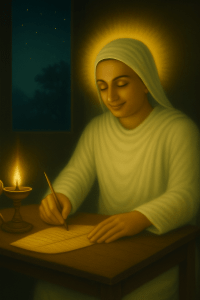
Neñsaṟivuṟuttal – A Commentary on Vallalar’s Thiru Arutpa
Welcome to our translation & commentary of the profound verses of Ramalinga Swamigal, also known as Vallalar. This article delves into the ‘neñsaṟivuṟuttal’ poem of the First Thirumurai of the sacred Thiru Arutpa. We aim to provide a simple, accessible translation and commentary, unlocking the spiritual wisdom within this beloved work. Vallalar Arutpa is a treasure trove of divine guidance, and through this commentary, we hope to illuminate the path for all seekers.
Introduction to neñsaṟivuṟuttal
The section ‘neñsaṟivuṟuttal’ from the First Thirumurai of the Thiru Arutpa is a foundational piece guiding the inner consciousness. The title itself, ‘neñsaṟivuṟuttal,’ translates to ‘enlightening the mind’ or ‘making the heart realize.’ This part of the Thiru Arutpa book focuses on introspection and the awakening of the inner self. As we journey through these verses, we will uncover the essence of Vallalar’s teachings, making the complex concepts of the Thiru Arutpa accessible to everyone.
Poem 1: Commentary and Translation
Kapu (கЛеாப்பு) – Invocation
Kural Venpa (குறள்வெண்பா)
Original Tamil: திருச்சிற்றம்பலம் 1. சீர்சான்ற முக்கட் சிவகளிற்றைச் சேர்ந்திடிலாம்
பேர்சான்ற இன்பம் பெரிது.
Translation: If one approaches the graceful, three-eyed, Sivagirinathar (Lord Shiva, personified as the great mountain of grace), great and renowned bliss is attained.
Commentary: This verse, classified as a Kural Venpa, is an invocation. “Thiruchitrambalam” is a sacred chant referring to the ‘sacrednn_thiru_ (Divine/Holy) inner space’ where the cosmic dance of bliss unfolds. The verse extols the attainment of immense, celebrated joy by seeking refuge in the Lord, described as “Sivagirinathar” – the Lord who is the mountain of grace. The “three-eyed” attribute refers to Shiva’s third eye, symbolizing wisdom and destruction of ignorance. The emphasis is on the grace (_aruḷ_) received by approaching the Divine.
Original Tamil: 2. ஆறு முகத்தான் அருளடையின் ஆம்எல்லாப்
பேறு மிகத்தான் பெரிது.
Translation: If one attains the grace of the six-faced one (Lord Murugan), all accomplishments and boons become exceedingly great.
Commentary: This Kural Venpa invokes Lord Murugan, referred to as “Aaru Mugaththaan” (the one with six faces), highlighting his grace (_aruḷ_). Attaining his grace is said to bring about all kinds of benefits and fortunes (_pēṟu_) in abundance. This signifies that devotion to different forms of the Divine, as guided by Vallalar, leads to manifold blessings.
Kali Venpa (கலிவெண்பா)
Original Tamil: திருச்சிற்றம்பலம் 1. பொன்னார் மலைபோல் பொலிவுற் றசையாமல்
எந்நாளும் வாழியநீ என்னெஞ்சே – பின்னான
Translation: O my heart, may you flourish like the golden mountain, steadfast and unshaken, and live forever. – Following this advice…
Commentary: This Kali Venpa begins with an address to the heart (_neñcē_). The heart is urged to be like “Ponnar Malai” (the golden mountain), symbolizing stability, radiance, and enduring strength. The aspiration is for the heart to remain vibrant and unwavering throughout all days (_ennāḷum_). This sets a tone of inner resolve and seeking perpetual divine connection.
Original Tamil: 2. இப்பிறப்பி னோடிங் கெழுபிறப்பும் அன்றியெனை
எப்பிறப்பும் விட்டகலா என்னெஞ்சே – செப்பமுடன்
Translation: O my heart, may you remain with me, not just in this life, nor in the next seven lives, but in all future lives as well, unshaken.
Commentary: Continuing the address to the heart, Vallalar expresses a desire for his heart’s unwavering presence and connection, not just for this life, but transcending multiple births (seven lives and beyond). This highlights the eternal nature of the spiritual quest and the desire for a permanent, unbroken bond with the Divine through the enlightened heart.
Original Tamil: 3. செவ்வொருசார் நின்று சிறியேன் கிளக்கின்ற
இவ்வொருசொல் கேட்டிடுக என்னெஞ்சே – எவ்வெவ்
Translation: O my heart, kindly listen to this single word that I, your humble servant, utter while standing steadfastly in a righteous path. – In whichever…
Commentary: Here, the poet addresses his heart again, asking it to attentively listen to the word he is about to utter. He describes himself as “siṟiyēṉ” (a small/humble one) and emphasizes his commitment to a righteous path (_cevvoṟucār_). The request is for the heart to be receptive to this singular, important utterance, signifying the importance of focused listening and inner receptivity in spiritual practice.
Original Tamil: 4. உலகும் பரவும் ஒருமுதலாய் எங்கும்
இலகும் சிவமாய் இறையாய் – விலகும்
Translation: Which is the one primordial source praised in all worlds, the radiant Divine Consciousness (_Sivam_) and God (_Iraiyāy_) everywhere – the receding…
Commentary: This verse begins to describe the nature of the Divine. It is the “oru muthalāy” (one primordial source) that is praised across all worlds (_ulakum paravum_). It is the radiant (_ilagum_) Divine Consciousness (_Sivam_) and God (_Iraiyāy_) that pervades everywhere. This highlights the omnipresence and the singular, foundational nature of the Ultimate Reality that Vallalar seeks to convey.
Original Tamil: 5. உருவாய் உருவில் உருவாய் உருவுள்
அருவாய் அருவில் அருவாய் – உருஅருவாய்
Translation: It is the form (_uruvāy_), within the form (_uruvil_), the form within the form (_uruvāy uruvul_), within the form, the formless grace (_aruvāy_), the formless grace (_aruvil_), the formless grace (_aruvāy_) – form and formless grace (_uru’aruvāy_)…
Commentary: This verse beautifully captures the paradox of the Divine existing as both form and formless. It is the visible form (_uruvāy_), the essence within the form (_uruvil_), and the grace (_aruḷ_) that resides even beyond form (_aruvāy_). The repetition emphasizes that the Divine is simultaneously manifest and unmanifest, tangible and intangible, a concept central to understanding the Thiru Arutpa. The “grace” (_aruḷ_) here is multifaceted, representing divine energy and essence.
Original Tamil: 6. நித்தியமாய் நிர்க்குணமாய் நிற்சலமாய் நின்மலமாய்ச்
சத்தியமாய்ச் சத்துவமாய்த் தத்துவமாய் – முத்தியருள்
Translation: Eternal (_Niththiyamāy_), without attributes (_Nirgunamāy_), without stillness (_Nirchalamāy_), pure (_Nirmalamāy_), Truth (_Sathiyamāy_), goodness (_Saththuvamāy_), the principle (_Thaththuvamāy_) – granting liberation (_Muththiyaruḷ_)…
Commentary: Here, a series of attributes describing the Divine are listed. It is eternal, devoid of qualities in the limited sense, unchanging, immaculate, the embodiment of Truth, goodness, and the fundamental principles of existence. The phrase “Muththiyaruḷ” signifies the grace that leads to liberation, a core theme in Vallalar’s philosophy.
Original Tamil: 7. ஒன்றாய்ப் பலவாய் உயிராய் உயிர்க்குயிராய்
நன்றாய் நவமாய் நடுநிலையாய் – நின்றோங்கும்
Translation: As One (_onrāyp_), as Many (_palavāy_), as the life-force (_uyirāy_), as the life of life (_uyirkku uyirāy_), as the good (_nanrāy_), as the new (_navamāy_), as the balanced center (_nadunilaiyāy_) – standing tall and flourishing…
Commentary: This verse continues to describe the Divine’s presence. It is both singular and manifold, the very essence of life, and the life within all lives. It is also described as good, ever-new, and the stable, central point of balance (_nadunilaiyāy_), signifying its role as the unwavering support for all existence.
Original Tamil: 8. வேதமாய் வேதாந்த வித்தாய் விளங்குபர
நாதமாய் நாதாந்த நாயகமாய் – ஓதும்
Translation: As the Vedas (_Vēthamāy_), as the seed of Vedanta (_Vēdhānta viththāy_), as the radiant supreme sound (_Nāthamāy_), as the Lord of the ultimate sound (_Nādhānta nāyakamāy_) – existing…
Commentary: The Divine is presented here as the origin of sacred knowledge, embodying the Vedas and the core wisdom of Vedanta. It is also described as the supreme sound (_Nātham_), the fundamental vibration of creation, and the master of the ultimate state of sound beyond perception (_Nādhānta nāyakamāy_). This points to the Divine as the source and essence of all sound, consciousness, and cosmic order.
Original Tamil: 9. செறிவாய்த் திரமாய்ச் சிதாகாச மாய்ச்சொல்
அறிவாய் அறிவுள் அறிவாய் – நெறிமேவு
Translation: As concentrated essence (_seṟivāy_), as a pure entity (_thiramāy_), as the consciousness-space (_Chithākāchamāy_), as the word (_sol_), as knowledge (_aṟivāy_), as the consciousness within consciousness (_aṟivuḷ aṟivāy_) – leading the way…
Commentary: This verse describes the Divine as concentrated essence, a pure being, and the vast space of consciousness (Chithākācham). It is also the word, the knowledge itself, and the awareness within awareness. This intricate description emphasizes the all-pervading and fundamental nature of the Divine as both essence and awareness.
Original Tamil: 10. காலமாய்க் காலம் கடந்த கருத்தாய்நற்
சீலமாய்ச் சிற்பரமாய்ச் சின்மயமாய் – ஞாலம்
Translation: As Time (_kālamāy_), as the thought that transcends time (_kālam kadantha karuththāy_), as virtue (_sīlamāy_), as supreme consciousness (_Chirparamāy_), as pure consciousness (_Chinnmayamāy_) – the world…
Commentary: The Divine is portrayed as Time itself, and also as that which is beyond time. It is the embodiment of virtue (_sīlamāy_), supreme consciousness (_Chirparamāy_), and pure consciousness (_Chinnmayamāy_). This highlights the Divine’s mastery over time and its nature as the ultimate, blissful consciousness that forms the basis of the world (_Gnyālam_).
Original Tamil: 11. பொருந்தாப் பொருளாய்ப் பொருந்தும் பொருளாய்ப்
பெருந்தா ரகம்சூழ்ந்த பேறாய்த் – திருந்தாத
Translation: As the incompatible reality (_porundhāp poruḷāy_), as the compatible reality (_porundhum poruḷāy_), as the great boon encompassing the universe (_perunthārakam sūzhntha pēṟāy_) – unchanging…
Commentary: This verse presents another paradox: the Divine as both that which does not fit (in conventional understanding) and that which perfectly fits all. It is also the ultimate boon (_pēṟāy_) that encompasses the vast universe (_perunthārakam_). This suggests the Divine’s transcendence of all categories and its role as the supreme attainment.
Original Tamil: 12. போக்கும் வரத்துமிலாப் பூரணமாய்ப் புண்ணியர்கள்
நோக்கும் திறத்தெழுந்த நுண்ணுணர்வாய் – நீக்கமிலா
Translation: As fullness without coming or going (_pōkkum varaththumilāp pūraṇamāy_), as the subtle awareness (_nuṇṇuṇarvāy_) that arises in the vision of the virtuous (_puṇṇiyargaḷ nōkkum thiṟaththeluntha_) – without removal…
Commentary: The Divine is described as the complete fullness (_pūraṇamāy_) that is beyond the cycles of coming and going. It is the subtle, refined consciousness (_nuṇṇuṇarvāy_) perceived by the virtuous. This emphasizes the Divine’s eternal, unchanging presence and its perception through purified consciousness.
Original Tamil: 13. ஆதியாய் ஆதிநடு அந்தமாய் ஆங்ககன்ற
சோதியாய்ச் சோதியாச் சொற்பயனாய் – நீதியாய்
Translation: As the beginning (_āthiyāy_), as the beginning, middle, and end (_āthi nadu anthamāy_), as the boundless effulgence (_sōthiyāy_), as the light of lights (_sōthiyāch sotpayanāy_), as righteousness (_nīthiyāy_)…
Commentary: This verse defines the Divine as the origin, the entirety of existence (beginning, middle, end), and the ultimate light (_sōthiyāy_). It is the beneficial light (_sotpayanāy_) and the embodiment of righteousness (_nīthiyāy_). This highlights the Divine’s role as the source, sustainer, and moral compass of the universe.
Original Tamil:14. ஆங்கார நீக்கும் அகார உகாரமதாய்
ஓங்கார மாய்அவற்றின் உட்பொருளாய்ப் – பாங்கான
Translation: As the ‘A’ and ‘U’ sounds that remove ego (_āṅgāra nīkkum agāra ugāramathāy_), as the Om (_Ōṅgāramāy_), as the inner meaning of them all (_avaṟṟiṉ uṭporuḷāyp_) – the suitable…
Commentary: The Divine is presented as the fundamental sounds ‘A’ and ‘U’ (likely referring to the components of Om), which have the power to eradicate ego (_āṅkāra nīkkum_). It is also Om itself (_Ōṅgāramāy_), the primordial sound, and the inner essence of these sounds. This connects the Divine to the power of sacred sound and its ability to dissolve the ego.
Original Tamil: 15. சித்தமாய்ச் சித்தாந்த தேசாய்த் திகம்பரமாய்ச்
சத்தமாய்ச் சுத்த சதாநிலையாய் – வித்தமாய்
Translation: As consciousness (_Chiththamāy_), as the pure land of Siddhanta (_Chiththānta dēsāy_), as the sky-clad one (_thigambaramāy_), as sound (_saththamāy_), as the eternally pure state (_suththa sadānilaiyāy_) – as the seed…
Commentary: This verse describes the Divine as pure consciousness (_Chiththamāy_), the ultimate realization of Siddhanta philosophy (_Chiththānta dēsāy_), and the sky-clad, formless presence (_thigambaramāy_). It is also sound (_saththamāy_) and the eternal, pure state (_sathānilaiyāy_). These attributes point to the Divine as the source of all states of being and spiritual realization.
Original Tamil: 16. அண்டமாய் அண்டத் தணுவாய் அருளகண்டா
கண்டமாய் ஆனந்தா காரமதாய் – அண்டத்தின்
Translation: As the universe (_aṇḍamāy_), as the atom within the universe (_aṇḍath thaṇuvāy_), as the supreme grace seen (_aruḷakaṇḍā_), as the seen (_kaṇḍamāy_), as the form of bliss (_ānandhāgāramathāy_) – of the universe…
Commentary: The Divine is the universe (_aṇḍamāy_) and the subtle essence within it (_aṇḍath thaṇuvāy_). It is the grace that is perceived (_aruḷakaṇḍā_), the visible form (_kaṇḍamāy_), and the embodiment of bliss (_ānandhāgāramathāy_). This shows the Divine’s immanence and transcendence, being both the container and the contained, the perceiver and the perceived.
Original Tamil: 17. அப்பாலாய் இப்பாலாய் அண்மையாய்ச் சேய்மையதாய்
எப்பாலாய் எப்பாலும் இல்லதுமாய்ச் – செப்பாலும்
Translation: Beyond that (_appālāy_), beyond this (_ippālāy_), near (_aṇmaiyāy_), far (_sēymaiyathāy_), in every aspect (_eppālāy_), and in no aspect (_eppālum illathumāy_) – even by speaking…
Commentary: This verse emphasizes the Divine’s transcendence of all dualities and limitations. It is beyond all classifications, simultaneously near and far, present in every way and in no way that can be conventionally described. This points to the ineffable and all-encompassing nature of the Divine.
Original Tamil: 18. நெஞ்சாலும் காய நிலையாலும் அந்நிலைக்குள்
அஞ்சாலுங் காண்டற் கரும்பதமாய் – எஞ்சாப்
Translation: Even by the mind (_neñcālum_), body (_kāyanilaiyālum_), or within that state (_annilaikkuḷ_), it is difficult to perceive (_kāṇḍaṟk arumpathamāy_), even fearing (_añcālum_) – unfading…
Commentary: The Divine is described as a state that is difficult to perceive (_kāṇḍaṟk arumpathamāy_) through the mind, body, or even within a specific spiritual state, and it is beyond fear (_añcālum_). This highlights the subtle and profound nature of realizing the Divine, which requires transcending ordinary means of perception and fear.
Original Tamil: 19. பரமாய்ப் பகாப்பொருளாய்ப் பாலாய்ச் சுவையின்
தரமாய்ப் பரப்பிரமம் தானாய்-வரமாய
Translation: As the supreme (_paramāy_), as the indivisible substance (_pagāporuḷāyp_), as milk (_pālāy_), as the quality of taste (_suvaiyin tharamāyp_), as the supreme Brahman itself (_parapirammam thāṉāy_) – as a boon…
Commentary: The Divine is the supreme reality (_paramāy_), the indivisible essence (_pagāporuḷāyp_), and is compared to milk (_pālāy_) – symbolizing purity and nourishment. It is also the essence of taste (_suvaiyin tharamāyp_) and Brahman itself (_parapirammam thāṉāy_), signifying its ultimate, all-pervading nature as the source of all existence and bliss.
Original Tamil: 20. ஒன்பான் வடிவாய் ஒளியெண் குணக்கடலாய்
அன்பாய் அகநிலையாய் அற்புதமாய் – இன்பாய்
Translation: As the nine forms (_onpān vaṭivāy_), as the ocean of eight qualities of light (_oḷiyeṇ guṇakkaṭalāy_), as Love (_aṉpāy_), as the inner state (_akaniilaiyāy_), as wondrous (_aṟpudhamāy_) – as bliss (_inpāy_)…
Commentary: This verse describes the Divine in various forms: the nine primary forms in Shaivism (_onpān vaṭivāy_), the ocean of eightfold luminous qualities (_oḷiyeṇ guṇakkaṭalāy_), and embodiment of love (_aṉpāy_). It is the inner state (_akaniilaiyāy_) and wonder (_aṟpudhamāy_), culminating in bliss (_inpāy_). This paints a comprehensive picture of the Divine’s attributes and essence.
Original Tamil: 21. அகமாய்ப் புறமாய் அகம்புறமாய் நீங்கும்
சகமாய்ச் சகமாயை தானாய் – சகமாயை
Translation: As within (_akamāyp_), as without (_puṟamāyp_), as within and without (_akampuramaāyp_), transcending (_nīṅgum_) the world (_sagamāy_), as Maya (_sagamāyai_) itself (_thāṉāy_) – Maya of the world…
Commentary:
The Divine is present both internally (_akamāyp_) and externally (_puṟamāyp_), encompassing all. It transcends the world (_sagamāy_) and is even the Maya (illusion) of the world (_sagamāyai_). This suggests that the Divine is the underlying reality, even within the perceived illusions of the material world, and is beyond all worldly limitations.
Original Tamil:
22. இல்லாதாய் என்றும் இருப்பதாய் யாதொன்றும்
கொல்லாதார்க் கின்பம் கொடுப்பதாய் – எல்லார்க்கும்
Translation:
As non-existent (_illāthāy_), as eternally existent (_eṉḏṟum iruppathāy_), as giving bliss (_iṉpam koṭuppathāy_) to those who harm nothing (_yāthondrum kollāthārk_) – to all…
Commentary:
This verse describes the paradox of the Divine as non-existent in conventional terms, yet eternally existent. It bestows bliss (_iṉpam koṭuppathāy_) upon those who practice harmlessness (_yāthondrum kollāthārk_). This highlights the ethical dimension of spirituality, where compassion and non-violence lead to divine grace.
Original Tamil:
23. நண்ணுவதாய் நண்ணாதாய் நல்வினையாய் அல்வினையாய்
எண்ணுவதாய் எண்ணின் இயலாதாய் – எண்ணுகின்ற
Translation:
As approachable (_naṇṇuvathāy_), as unapproachable (_naṇṇāthāy_), as good action (_nalviṉaiyāy_), as bad action (_alviṉaiyāy_), as that which can be thought (_eṇṇuvathāy_), as impossible to think (_eṇṇiṉ iyalaathāy_) – thinking…
Commentary:
The Divine is both accessible (_naṇṇuvathāy_) and inaccessible (_naṇṇāthāy_), encompassing both virtuous (_nalviṉaiyāy_) and seemingly non-virtuous actions from a limited perspective. It is thinkable (_eṇṇuvathāy_) yet ultimately beyond thought (_eṇṇiṉ iyalaathāy_). This illustrates the limitations of human intellect in grasping the totality of the Divine.
Original Tamil:
24. வானாய் நிலனாய் வளியாய் அனலாய்நீர்
தானாய் வழிபடுநான் தான்தானாய் – வானாதி
Translation:
As sky (_vānāy_), earth (_nilanāy_), air (_vaḷiyāy_), fire (_analāy_), water (_nīr_), as oneself (_thāṉāy_), as the one who worships (_vaḻipaṭunāṉ_), as oneself (_thāṉthāṉāy_) – sky and beyond…
Commentary:
Here, the Divine is identified with the five elements (sky, earth, air, fire, water) and also as the worshipper and the worshipped, ultimately as oneself. This signifies the Divine’s presence in all aspects of creation and the identity of the individual soul with the Divine.
Original Tamil:
25. ஒன்றிடத்தும் ஒன்றாதாய் ஒன்றுவதாய் ஆனந்தம்
மன்றிடத்தில் என்றும் வதிவதாய் – ஒன்றியதோர்
Translation:
As that which does not merge with anything (_onṟiṭaththum oṉṟāthāy_), yet merges with all (_oṉṟuvathāy_), as bliss (_āṉantham_), always residing in the sacred hall (_maṉṟiṭaththil eṉḏṟum vathivathāy_) – united…
Commentary:
The Divine remains distinct even while pervading all (_onṟiṭaththum oṉṟāthāy_), yet it also unites with everything (_oṉṟuvathāy_). It is bliss (_āṉantham_) and eternally resides in the sacred space (_maṉṟiṭaththil_) of consciousness, signifying its constant presence in the heart of the devotee.
Original Tamil:
26. ஐந்நிறமாய் அந்நிறத்தின் ஆமொளியாய் அவ்வொளிக்குள்
எந்நிறமும் வேண்டா இயனிறமாய் – முந்நிறத்தில்
Translation:
As the five colors (_ainniṟamāy_), as the light of those colors (_athnniṟaththiṉ āmoḷiyāy_), within that light, as the natural color that needs no color (_enniṟamum vēṇḍā iyanniṟamāy_) – in the three colors…
Commentary:
This verse describes the Divine’s relationship with color and light. It encompasses the five elements (symbolized by colors), is the light within them, and also transcends color, existing as a natural, formless state. This speaks to the Divine’s manifestation and ultimate formlessness.
Original Tamil:
27. பூப்பதுவாய்க் காப்பதுவாய்ப் போக்குவதாய்த் தேக்குவதாய்
நீப்பதுவாய்த் தன்னுள் நிறுத்துவதாய்ப் – பூப்பதின்றி
Translation:
As that which blossoms (_pūppathuvāy_), protects (_kāppathuvāy_), removes (_pōkkuvathāy_), strengthens (_thēkkuvathāy_), dispels (_nīppathuvāy_), and retains within oneself (_taṉṉuḷ niṟuththuvathāy_) – without blooming…
Commentary:
The Divine’s actions are described: creating, preserving, destroying, strengthening, and removing, all while maintaining itself within. These are the cyclical processes of the universe that the Divine governs, signifying its role as the sustainer and dissolver of existence.
Original Tamil:
28. வாளா திருப்பதுவாய் வாதனா தீதமாய்
நீளாது நீண்ட நிலையினதாய் – மீளாப்
Translation:
As that which remains still (_vāḷā iruppathuvāy_), beyond all means (_vādhanā thīthamāy_), as an unfading, eternal state (_nīḷāthu nīṇḍa nilaiyiṉathāy_) – unreturning…
Commentary:
The Divine is presented as being in a state of pure stillness (_vāḷā iruppathuvāy_), beyond all methods or means (_vādhanā thīthamāy_), and existing in an eternal, unfading state (_nīḷāthu nīṇḍa nilaiyiṉathāy_). This emphasizes the Divine’s serene, timeless, and unchangeable nature.
Original Tamil:
29. பெரிதாய்ச் சிறிதாய்ப் பெரிதும் சிறிதும்
அரிதாய் அரிதில் அரிதாய்த் – துரிய
Translation:
As great (_perithāy_), as small (_siṟithāy_), as very great and very small (_perithum siṟithum_), as rare (_arithāy_), as extremely rare (_arithil arithāy_) – the fourth state (_thuriya_)…
Commentary:
This verse speaks to the Divine’s all-encompassing nature, being both immensely large and infinitesimally small, rare and extremely rare. It transcends all such descriptions, existing in a state beyond ordinary comprehension, possibly referring to the Turiya state – the fourth state of consciousness beyond waking, dreaming, and deep sleep.
Original Tamil:
30. வெளியாய்ப் பரவெளியாய் மேவுபர விந்தின்
ஒளியாய்ச் சிவானந்த ஊற்றாய்த் – தெளியாதி
Translation:
As space (_veḷiyāy_), as supreme space (_paraveḷiyāy_), as the light of the supreme seed (_paravindhin oḷiyāy_), as the spring of Shiva-bliss (_Sivāṉantha ūṟṟāy_) – clear…
Commentary:
The final verse in this segment describes the Divine as space (_veḷiyāy_), supreme space (_paraveḷiyāy_), the light emanating from the supreme seed (_paravindhin oḷiyāy_), and the source of Shiva-bliss (_Sivāṉantha ūṟṟāy_). This signifies the Divine as the boundless, luminous, and blissful essence from which all creation and joy emanate.

Want Vallalar's wisdom
delivered free to your inbox?
All directly to your favourite email inbox.
We take you by hand, at your own pace. Step-by-Step.
- Free E-book: Jeevakarunyam Ozhukkam — Vallalar's Guide to Compassionate Living IMMEDIATE DOWNLOAD
- Free E-books, translations & commentaries
- Free health tips from Vallalar's manuscripts
- Free community
- Free Emporium items
- & Much More 🎁
🕯️ Welcome to the Journey
Look for an email from international@sanmarkkamlife.org. Check your inbox, spam folder and Promotions tab. Your first teaching and your free e-book are on their way.
🔒 We hate Spam. No Pressure. 0 Selling or Pitching.
1 Click Unsubscribe any time.
Privacy Policy · Sanmarkkam Life APS · GDPR compliant