

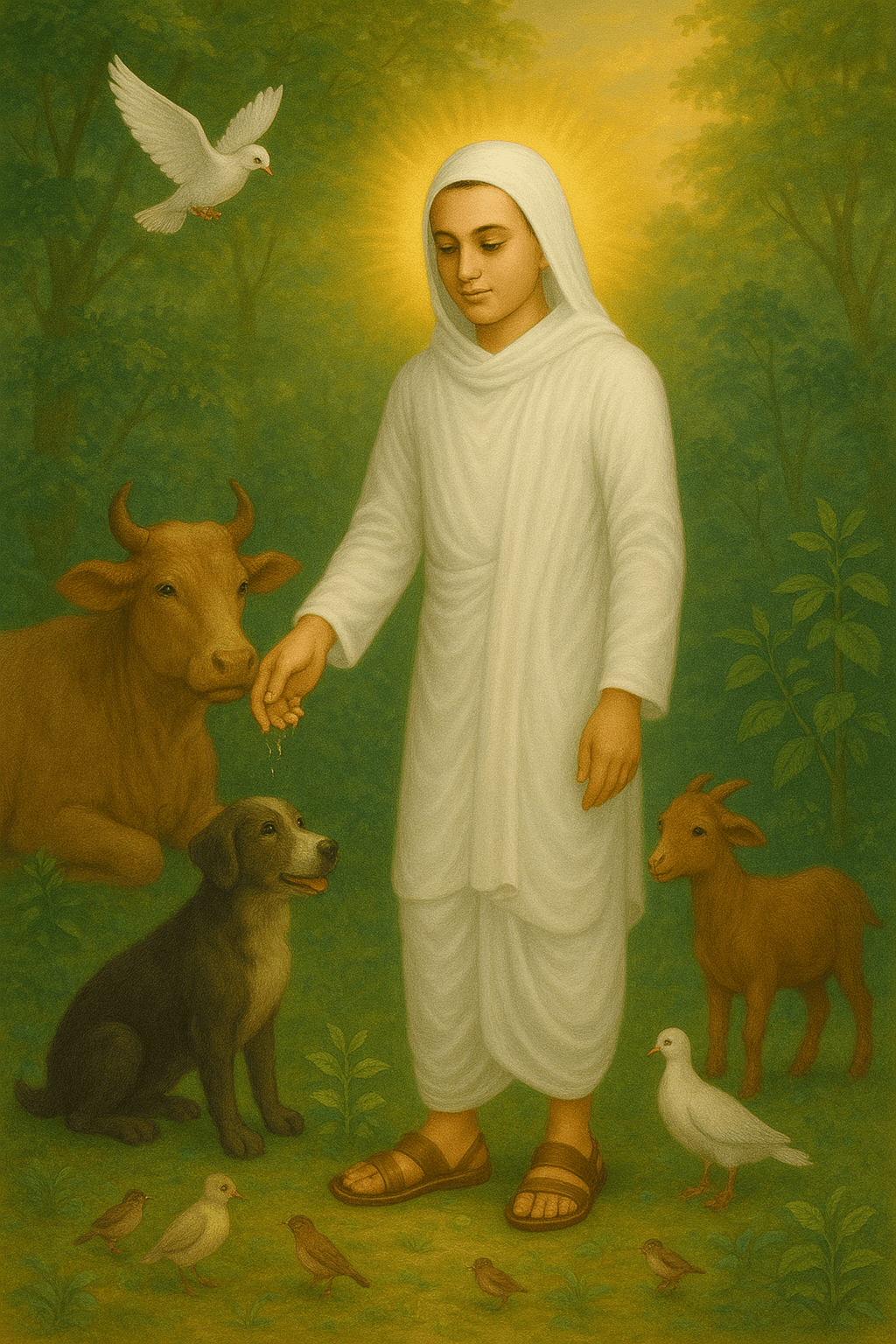
Introduction – Jeeva Karunyam Ozhukkham English – Part 2
This will be the secon part of Jeeva Karunyam Ozhukkham with English translation & Commentary.
If you are looking for the First part, you can tap here: Jeeva Karunyam Ozhukkham English – Part 1
Feel free to also Download Jeeva karunyam Ozhukkham English Pdf
Translation & Commentary – Jeeva Karunya Ozhukkam English
Original Tamil: திருச்சிற்றம்பலம் ஜீவகாருண்ய ஒழுக்கம் இரண்டாவது பிரிவு ஆன்ம இன்ப வாழ்வு
English Translation: Thiruchittrambalam – Compassion for Living Beings (Jeeva Karunyam) – Ethics/Conduct – Second Division – Soul’s Blissful/Divine Life
Commentary/Interpretation: The title invokes Thiruchittrambalam (sacred space of Shiva’s cosmic dance) as an auspicious beginning. This section deals with the soul’s journey toward divine bliss through compassionate conduct toward all living beings.
Original Tamil: உலகத்தில் உயர்பிறப்பாகிய மனிதப் பிறப்பைப் பெற்றுக் கொண்டவர்கள் இந்தப் பிறப்பினால் அடையத்தக்க தலைப்பட்ட ஆன்ம இன்ப சுகத்தைக் காலமுள்ள போதே விரைந்து அறிந்து அடைய வேண்டும்.
English Translation: Those who have obtained the noble birth of human form in this world must swiftly realize and attain the supreme soul-bliss/spiritual joy that can be achieved through this birth, while time remains.
Commentary/Interpretation: Ramalinga emphasizes the preciousness of human birth as the highest opportunity for spiritual realization. The urgency reflects the temporary nature of embodied existence and the need to utilize this lifetime for spiritual advancement.
Original Tamil: அந்தத் தலைப்பட்ட ஆன்ம இன்ப வாழ்வு எத்தனை வகையென்றறிய வேண்டில்:- இம்மையின்ப வாழ்வு, மறுமையின்ப வாழ்வு, பேரின்ப வாழ்வு என மூன்றுவகை யென்று அறிய வேண்டும்.
English Translation: To understand how many types that supreme soul-blissful life has: one should know there are three types – this-world blissful life, other-world blissful life, and supreme blissful life.
Commentary/Interpretation: This establishes a hierarchical framework of spiritual experiences, progressing from worldly pleasures through heavenly states to ultimate divine bliss, reflecting classical Tamil spiritual categorization.
Original Tamil: இம்மை யின்பமாவது:- சிறிய தேககரணங்களைப் பெற்றுச் சிறிய முயற்சியால் சிறிய விடயங்களைச் சிலநாள் அனுபவிக்கின்ற இன்பத்தை இம்மை யின்பம் என்றறிய வேண்டும்.
English Translation: This-world bliss is: the pleasure experienced for a few days through small bodily instruments/faculties, with small effort, enjoying small matters/objects – this should be understood as this-world bliss.
Commentary/Interpretation: The repetition of “small” (சிறிய) emphasizes the limited and temporary nature of worldly pleasures, contrasting with higher spiritual states. “Deha-karanams” refers to the physical body and sense organs as instruments of experience.
Original Tamil: இம்மை இன்ப லாபமாவது:- மனிதப்பிறப்பில் தேகத்திலும் கரணங்களிலும் புவனத்திலும் போகங்களிலும் குறைவின்றி நல்லறிவு உடையவர்களாய், பசி பிணி கொலை முதலிய தடைகளில்லாமல், உறவினர் சினேகர் அயலார் முதலியருந் தழுவ, சந்ததி விளங்கத்தக்க சற்குணமுள்ள மனைவியுடன், விடயங்களைச் சில நாள் அனுபவிக்கின்றதை இம்மையின்ப லாபம் என்றறிய வேண்டும்.
English Translation: The gain of this-world bliss is: in human birth, being endowed with good intelligence without deficiency in body, faculties, world/environment, and enjoyments; free from obstacles like hunger, disease, and death; embraced by relatives, friends, neighbors and others; with a virtuous wife capable of producing worthy offspring; experiencing various matters for some days – this should be understood as the gain of this-world bliss.
Commentary/Interpretation: This describes an idealized worldly life – health, intelligence, social harmony, and family happiness. Yet the temporal limitation (“some days”) reminds us of its transitory nature, preparing for higher spiritual aspirations.
Original Tamil: மறுமை யின்பமாவது:- உயர்பிறப்பில் பெரிய தேககரணங்களைப் பெற்றுப் பெருமுயற்சியால் பெரிய விஷயங்களைப் பலநாள் அனுபவிக்கின்ற இன்பத்தை மறுமை யின்பம் என்றறிய வேண்டும்.
English Translation: Other-world bliss is: in higher birth, obtaining great bodily instruments/faculties and through great effort, experiencing great matters/subjects for many days – this pleasure should be understood as other-world bliss.
Commentary/Interpretation: This contrasts with worldly bliss through the amplification to “great” (பெரிய) and “many days” (பலநாள்), suggesting celestial or divine realms where experiences are more refined, powerful, and enduring than earthly pleasures.
Original Tamil: மறுமையின்ப லாபமாவது:- உயர்பிறப்பைப் பெற்று இம்மையின்பலாபத்தில் குறிக்கப்பட்ட நற்குணங்களெல்லாம் பொருந்த உயர் நிலையில் சுத்த விடயங்களைப் பலநாள் அனுபவிக்கின்ற இன்ப லாபத்தை மறுமையின்ப லாபம் என்றறிய வேண்டும்.
English Translation: The gain of other-world bliss is: obtaining higher birth and possessing all the good qualities mentioned in this-world bliss gain, experiencing pure matters/subjects for many days in an elevated state – this blissful gain should be understood as the gain of other-world bliss.
Commentary/Interpretation: This represents a purified and elevated version of worldly happiness, where the same positive qualities exist but in a “pure” (சுத்த) form and elevated state, suggesting post-mortem heavenly experiences or advanced spiritual states while embodied.
Original Tamil: பேரின்பமாவது:- எல்லாத் தேகங்களையும், எல்லாக் கரணங்களையும், எல்லாப் புவனங்களையும், எல்லாப் போகங்களையும், தமது பூரண இயற்கை விளக்கமாகிய அருட்சத்தியின் சந்நிதி விசேடத்தால் தோன்றி விளங்க விளக்கஞ் செய்விக்கின்ற பூரண இயற்கை உண்மை வடிவினராகிய கடவுளின் பூரண இயற்கை இன்பத்தைப் பெற்று, எக்காலத்தும் எவ்விடத்தும் எவ்விதத்தும் எவ்வளவும் தடைபடாமல் அனுபவிக்கப்படுகின்ற ஒப்பற்ற அந்தப் பெரிய இன்பத்தைப் பேரின்பமென்றறிய வேண்டும்.
English Translation: Supreme Bliss is: The incomparable great bliss/joy that is experienced without any obstruction at all times, in all places, in all ways, and to any extent, by receiving the complete natural bliss/joy of God who is of the form of complete natural truth/reality, who causes all bodies, all faculties/instruments, all worlds, and all experiences/pleasures to appear, shine/manifest, and be illuminated through the special presence of the divine grace-power/light that is His complete natural illumination/enlightenment – this should be known as Supreme Bliss.
Commentary/Interpretation: This passage defines the highest spiritual attainment as a state of unobstructed divine joy that transcends all limitations of time, space, and circumstance. The saint emphasizes that this bliss emanates from God’s complete natural state, suggesting that divine joy is not separate from creation but is the very source through which all existence manifests. The term “அருட்சத்தி” (divine grace-power) indicates both the transformative power of grace and the light of divine consciousness that reveals all phenomena.
Original Tamil: பேரின்ப லாபமாவது:- யாவுந் தாமாய் விளங்குவதே.
English Translation: The attainment/benefit of Supreme Bliss is: Everything shining/manifesting as oneself alone.
Commentary/Interpretation: This succinct statement describes the ultimate realization where the boundaries between self and universe dissolve. The experiencer recognizes their essential identity with all existence – a classic expression of non-dual consciousness where individual identity expands to encompass universal being.
Original Tamil: இம்மை இன்பத்தை யடைந்தவர் பெருமை எதுவென் றறிய வேண்டில்:- அன்பு, தயை, ஒழுக்கம், அடக்கம், பொறுமை, வாய்மை, தூய்மை முதலிய சுபகுணங்களைப் பெற்று விடய இன்பங்களை வருந்தி முயன்று அனுபவித்துப் புகழ்படவாழ்தலென் றறிய வேண்டும்.
English Translation: If one wishes to know what is the greatness/glory of those who have attained worldly/present bliss: It should be known as possessing auspicious qualities such as love/compassion, mercy/kindness, good conduct/righteousness, humility/self-control, patience/forbearance, truthfulness, purity and such, and living gloriously by striving with effort/difficulty to experience worldly pleasures/objects of enjoyment.
Commentary/Interpretation: The saint distinguishes between worldly spiritual achievement and ultimate realization. Even those who attain high ethical and spiritual qualities in worldly life must still struggle and exert effort to enjoy material pleasures. This suggests a stage where virtue is cultivated but complete transcendence has not yet occurred.
Original Tamil: மறுமையின்ப லாபத்தை யடைந்தவர் பெருமை யாதென்றறிய வேண்டில்:- அன்பு தயை முதலிய சுப குணங்களைப் பெற்றுச் சுத்த விடய இன்பங்களை எண்ணியபடி தடைபடாமல் முயன்று பலநாளனுபவித்துப் புகழ்படவாழ்தலென் றறிய வேண்டும்.
English Translation: If one wishes to know what is the greatness/glory of those who have attained the bliss/benefit of the other world/afterlife: It should be known as possessing auspicious qualities such as love/compassion and mercy/kindness, and living gloriously by experiencing pure worldly/objective pleasures for many days without obstruction, striving as intended/desired.
Commentary/Interpretation: This describes an intermediate spiritual state where one enjoys refined pleasures without the struggles of ordinary worldly existence. The key difference from worldly bliss is that these pleasures are “pure” (சுத்த) and experienced “without obstruction” (தடைபடாமல்), suggesting a harmonious relationship with desire rather than the conflicted striving of ordinary life. This may refer to subtle heavenly states or refined spiritual enjoyments that precede ultimate realization.
Original Tamil: பேரின்ப லாபத்தை யடைந்தவர் பெருமை எது என்றறிய வேண்டில்:- தோல், நரம்பு, என்பு, தசை, இரத்தம், சுக்கிலம் முதலிய அசுத்தபூத காரியங்களும் அவற்றின் காரணங்களாகிய அசுத்த பிரகிருதி அணுக்களுமாகிய தேகத்தை மாற்றி, மாற்று இவ்வளவு என்றறியப்படாத உயர்ந்த பொன்னாகிய சுத்த பூதகாரிய சுத்த தேகத்தையும், பொன்வடிவாகத் தோன்றுதல் மாத்திரமேயன்றி ஆகாயம்போல் பரிசிக்கப்படாத சுத்தபூதகாரண பிரணவ தேகத்தையும் தோன்றப்படுதலுமின்றி ஆகாயம்போல் விளங்குகின்ற ஞானதேகத்தையும் பெற்றவர்களா யிருப்பார்கள்.
English Translation: If one wishes to know the greatness of those who have attained supreme bliss/divine ecstasy: They will have transformed the body composed of impure elemental effects like skin, nerves, bones, flesh, blood, semen and their causal impure prakruti atoms, and obtained the pure elemental-effect body of refined gold/divine essence, the pure elemental-cause pranava body that appears not merely in golden form but remains imperceptible like space/ether, and the wisdom/knowledge body that shines like space without even appearing.
Commentary/Interpretation: This describes the spiritual transformation of an enlightened being who transcends the gross physical body. The “three bodies” (sthula, sukshma, karana sharira) are refined into pure spiritual forms – a golden divine body, a pranava (OM) body beyond perception, and a pure consciousness body. The progression shows complete transcendence of material existence.
Original Tamil: உள்ளே மண்ணினது திண்மையால் தறிக்கப்படார்கள்; புறத்தே மண் கல் முதலியவற்றால் எறியினும் அவை அவர் வடிவில் தாக்குவனவல்ல. உள்ளே நீரினது தன்மையால் குளிரப்படார்கள்; புறத்தே நீரிலழுத்தினும் அவர் வடிவம் அழுந்தாது. உள்ளே நெருப்பினது வெம்மையால் சுடப்படார்கள்; புறத்தே நெருப்பிற் சுடினும் அவர் தேகத்தில் சூடும் வடுவும் தோன்றுவனவல்ல. உள்ளே காற்றினது ஊக்கத்தால் அசைக்கப்படார்கள்; புறத்தே காற்று அவர் வடிவைப் பரிசித் தசைக்கமாட்டாது. உள்ளே ஆகாயத்தினது கலப்பினால் அந்தரிக்கப்படார்கள்; புறத்தே ஆகாயம் அவர் தேகத்தை அந்தரிக்கமாட்டாது.
English Translation: Internally, they are not struck/affected by the solidity of earth; externally, even if pelted with earth and stones, these cannot impact their form. Internally, they are not cooled by water’s nature; externally, even if immersed in water, their form does not sink. Internally, they are not burned by fire’s heat; externally, even if burned by fire, neither heat nor scars appear on their body. Internally, they are not moved by air’s force; externally, air cannot touch and shake their form. Internally, they are not made to disappear by space’s mixture; externally, space cannot make their body disappear.
Commentary/Interpretation: This describes the enlightened being’s transcendence of the five elements (pancha bhutas). They remain unaffected by elemental forces both internally (in consciousness) and externally (in their divine body), demonstrating complete mastery over the material realm.
Original Tamil: ஆதாரத்திலன்றி நிராதாரத்திலும் அவர் தேகம் உலாவும். அவரது கண்கள் முதலிய ஞானேந்திரியங்களும் வாக்கு முதலிய கர்மேந்திரியங்களும் பார்த்தல் முதலிய விஷயங்களையும் பேசுதல் முதலிய விஷயங்களையும் பற்றுவனவல்ல; தயையினால் விஷயங்களைப் பற்றவேண்டில், சுவர் மலை முதலிய தடைகளும் அவர் கண்களை மறைப்பன வல்ல.
English Translation: Their body moves not only with support but also without support/in space. Their sense organs like eyes and action organs like speech do not grasp objects like seeing and speaking; if by compassion/grace they choose to engage with objects, even obstacles like walls and mountains cannot obstruct their vision.
Commentary/Interpretation: The liberated being transcends physical limitations – they can exist without material support and their senses operate beyond normal constraints. When they choose to engage with the world through divine compassion, no physical barriers can limit their perception.
Original Tamil: அண்ட பிண்டங்களில் அகம் புறம் முதலிய எவ்விடத்துமுள்ள விடயங்களை அவர் கண்கள் இருந்த விடத்திருந்தே கண்டறியும். அண்ட பிண்டங்களி லெவ்விடத்திருந்து பேசினும் அவர் செவிகள் இருந்த விடத்திருந்தே கேட்டறியும். எவ்விடத் திருக்கின்ற ரசங்களையும் அவர் நா இருந்த விடத்திருந்தே சுவைத்தறியும். எவ்விடத்திருக்கின்ற பரிசங்களையும் அவர் மெய் இருந்த விடத்திருந்தே பரிசித்தறியும். எவ்விடத் திருக்கின்ற சுகந்தகங்களையும் அவர் நாசி இருந்த இடத் திருந்தே முகர்ந்தறியும்.
English Translation: Their eyes can perceive all objects existing anywhere inside and outside the cosmic spheres/universes while remaining in their original location. Their ears can hear whatever is spoken anywhere in the cosmic spheres while remaining in their original location. Their tongue can taste all flavors/essences existing anywhere while remaining in its original location. Their skin can feel all textures/sensations existing anywhere while remaining in its original location. Their nose can smell all fragrances existing anywhere while remaining in its original location.
Commentary/Interpretation: This describes omnipresent sensory perception – the divine being’s senses transcend spatial limitations and can perceive across all dimensions and locations simultaneously, demonstrating the expanded consciousness of enlightenment.
Original Tamil: எவ்விடத்திலிருக்கின்றவர்களுக்கும் அவரது கைகள் இருந்த விடத்திருந்தே கொடுத்தல் கூடும். எவ்விடத்திலும் அவரது கால்கள் இருந்த விடத்திருந்தே நடத்தல் கூடும். அவரது வாக்கு எவ்விடத்திலிருக்கின்ற எவ்வௌர்களோடும் இருந்த விடத்திருந்தே பேசுதல் கூடும். மற்ற இந்திரியங்கள் இருந்த விடத்திருந்தே எவ்விடத்தும் ஆனந்தித்தல் கூடும்.
English Translation: Their hands can give to anyone anywhere while remaining in their original location. Their feet can walk anywhere while remaining in their original location. Their speech can converse with anyone anywhere while remaining in its original location. Other senses can experience bliss/joy anywhere while remaining in their original location.
Commentary/Interpretation: The enlightened being possesses omnipresent action capabilities – they can simultaneously act, give, move, speak and experience across all locations without physical displacement, demonstrating the unlimited power of divine consciousness.
Original Tamil: மன முதலான கரணங்கள் எப்படிப்பட்ட விஷயங்களையும் பற்றுவனவல்ல; தயவினால் பற்றத் தொடங்கில் எல்லா உயிர்களினது எல்லாச் சங்கற்ப விகற்பங்களையும் ஒரு நிமிடத்தில் ஒருங்கே நினைத்து விசாரித்து நிச்சயித்துக் கொள்ளும். அவரறிவு ஒன்றையும் சுட்டியறியாது; தயவினால் சுட்டியறியத் தொடங்கில் எல்லா அண்டங்களையும் எல்லா உயிர்களையும் எல்லாப் பண்புகளையும் எல்லா அனுபவங்களையும் எல்லா பயன்களையும் ஒருங்கே ஒரு நிமிடத்தில் சுட்டி யறியும்.
English Translation: Mental faculties/instruments do not grasp any objects; if by compassion/grace they begin to grasp, they can simultaneously think, examine and determine all the concepts and thoughts of all beings in one moment. Their knowledge does not specifically know anything; if by compassion they begin to specifically know, they can simultaneously perceive all universes, all beings, all qualities, all experiences, and all purposes in one moment.
Commentary/Interpretation: This describes the paradoxical state of enlightened consciousness – normally beyond all mental activity and specific knowledge, but when activated by divine compassion, capable of omniscient awareness encompassing all existence simultaneously.
Original Tamil: அவர்கள் நிர்க்குணத்தராவார்களல்லது, தாமச இராசத சாத்துவிக முதலிய முக்குணங்களாலும் உள்ளே விகாரப்படார்கள்; புறத்தே அவரது குணங்கள் கரணங்களைப் பற்றுவனவல்ல. உள்ளே பிரகிருதியினால் மூடப்படார்கள்; புறத்தே அவரது பிரகிருதி குணங்களைப் பற்றுவனவல்ல. உள்ளே காலதத்துவத்தால் வேற்றுமைப்படார்கள்; புறத்தே காலத்தால் அவரது திருமேனி தடைபடாது. உள்ளே நியதி அளவால் அளக்கப்படார்கள்; புறத்தே நியதியால் அவரது திருமேனி வரைபடாது.
English Translation: They become attributeless/beyond qualities, not being internally modified by the three gunas – tamas, rajas, and sattva; externally, their qualities cannot grasp the instruments/senses. Internally, they are not veiled by prakriti/nature; externally, their prakriti cannot grasp qualities. Internally, they are not differentiated by the time principle; externally, time cannot obstruct their divine body. Internally, they are not measured by niyati/cosmic law; externally, niyati cannot limit their divine body.
Commentary/Interpretation: This describes transcendence of fundamental cosmic principles – the three gunas, prakriti (primordial nature), time, and niyati (cosmic order/destiny). The liberated being exists beyond all limiting principles both in consciousness and manifest form.
Original Tamil: அன்றிக் காலம் வித்தை ராகம் புருடன் முதலிய மற்றைத் தத்துவங்களும் தத்துவ காரியங்களும் அவர்களுக்கு இல்லை. மாயையால் பேதப்படார்கள்; சுத்தமகாமாயையைக் கடந்து அதன்மேல் அறிவுருவாக விளங்குவார்கள். ஆகாரம், நித்திரை, மைதுனம், பயம் என்பவைகளால் தடைபடார்கள்.
English Translation: Moreover, they do not possess other tattvas/principles like time, vidya/knowledge, raga/attachment, purusha/individual soul and their effects. They are not differentiated by maya/illusion; having transcended pure mahamaya/great illusion, they shine as pure consciousness/knowledge-form above it. They are not obstructed by food, sleep, sexual union, and fear.
Commentary/Interpretation: Complete transcendence of the 36 tattvas of Shaiva philosophy and the four basic human needs/drives (ahara, nidra, maithuna, bhaya), indicating absolute liberation from all cosmic and biological limitations.
Original Tamil: அவர்கள் தேகத்திற்குச் சாயை, வியர்வை, அழுக்கு, நரை, திரை, மூப்பு, இறப்பு முதலிய குற்றங்கள் உண்டானவல்ல. பனி, மழை, இடி, வெயில் முதலியவற்றாலும், இராக்கதர், அசுரர், பூதம், பிசாசு முதலியவற்றாலும், தேவர், முனிவர், மனிதர், நரகர், மிருகம், பறவை, ஊர்வன, தாவரம் என்பவைகளாலும் எவ்விடத்தும் எக்காலத்தும் அவர் தேகம் வாதிக்கப்படாது; வாள் கத்தி முதலிய கருவிகளாலும் கண்டிக்கப்படாது.
English Translation: Their body cannot develop defects like shadow, sweat, dirt, grey hair, wrinkles, old age, death. Their body cannot be harmed anywhere at any time by cold, rain, thunder, sun, or by rakshasas, asuras, spirits, demons, or by devas, sages, humans, hell-beings, animals, birds, reptiles, plants; nor can it be cut by swords, knives and other weapons.
Commentary/Interpretation: The divine body is completely imperishable and invulnerable to all forms of natural elements, supernatural beings, living creatures, and weapons, transcending all causes of physical deterioration and harm.
Original Tamil: எல்லா அண்டங்களும் அணுக்கள் போலச் சிறிதாகத் தோற்றலும், எல்லா அணுக்களும் அண்டங்கள் போலப் பெரிதாகத் தோற்றலும் அவர் தேகத்திற்கு உரித்து. இறந்தோரை எழுப்புதல் வார்த்திபரை வாலிபராக்கல் முதலிய கருமசித்திகளும் யோகசித்திகளும் ஞானசித்திகளும் அவர் சந்நிதியில் இடைவிடாது விளங்கும்.
English Translation: All universes appearing small like atoms, and all atoms appearing large like universes belongs to their body/nature. Powers like raising the dead, making the aged young, and other karma siddhis, yoga siddhis, and gnana siddhis shine continuously in their presence.
Commentary/Interpretation: The enlightened being perceives reality at both macro and micro scales simultaneously, and possesses all supernatural powers continuously – including resurrection, age reversal, and the complete spectrum of mystical abilities.
Original Tamil: சிருஷ்டித்தல், காத்தல், அழித்தல், மறைத்தல், அனுக்கிரகித்தல் என்கின்ற கிருத்தியங்களும் அவர் நினைத்த மாத்திரத்தில் நடக்கும். பஞ்சகர்த்தாக்களும் அவர் கடைக்கண் பார்வையால் தங்கள் தங்கள் தொழில் நடத்துவார்கள். அவர்கள் அறிவு கடவுளறிவாக இருக்கும். அவர்கள் செய்கை கடவுள் செய்கையாக இருக்கும். அவர்கள் அனுபவம் கடவுள் அனுபவமாக இருக்கும்.
English Translation: The five cosmic functions of creation, preservation, destruction, concealment, and grace occur merely by their thought/will. The five cosmic agents/lords perform their respective duties by their sideways glance. Their knowledge becomes God’s knowledge. Their action becomes God’s action. Their experience becomes God’s experience.
Commentary/Interpretation: The liberated being operates at the level of cosmic consciousness, wielding the five-fold divine powers effortlessly and becoming functionally identical with the Divine in knowledge, action, and experience.
Original Tamil: சர்வசக்தியு முடையவர்களாய், எக்காலத்தும் அழிவில்லாதவர்களாய், ஆணவம், மாயை கன்மம் என்னும் மும்மலங்களும் அம்மலவாதனைகளும் இல்லாதவர்களாய், பேரருள்வண்ண முடையவர்களாய் விளங்குவார்கள். ஜடமாகிய ஒரு துரும்பும் அவரது திருநோக்கத்தால் உயிர் பெற்றுப் பஞ்சகிருத்தியங்களும் செய்யும்.
English Translation: They shine as possessors of all powers, eternally indestructible, free from the three malas – anava, maya, karma and their torments, and as possessors of supreme grace/compassion-nature. Even an inert straw gains life through their divine glance and performs the five cosmic functions.
Commentary/Interpretation: The final state of complete liberation – omnipotent, immortal, free from the three fundamental impurities that bind souls, and radiating such divine grace that their mere glance can animate matter and empower it with cosmic functions.
Original Tamil: அவரது பெருமை வேதாந்த, சித்தாந்த, கலாந்த, போதாந்த, நாதாந்த, யோகாந்தம் என்கின்ற ஆறந்தங்களிலும் விளங்கும்; அவற்றைக் கடந்தும் விளங்குமென்று அறியவேண்டும். இவை பேரின்பலாபத்தை யடைந்தவர் பெருமை யென்று அறிய வேண்டும்.
English Translation: Their greatness shines in all six philosophical conclusions – Vedanta, Siddhanta, Kalanta, Bodhanta, Nadhanta, Yoganta; and transcends them all, this should be known. These are the greatness of those who have attained supreme bliss, this should be known.
Commentary/Interpretation: The enlightened being’s glory encompasses and transcends all six major philosophical systems, representing the ultimate state that goes beyond all conceptual frameworks while incorporating their truths. This concludes the description of the supreme spiritual achievement.
riginal Tamil: இம்மூவகை இன்ப லாப வாழ்வையும் எதனால் பெறக்கூடுமென்றறிய வேண்டில்:- கடவுளின் இயற்கை விளக்கமாகிய அருளின் ஏகதேசத்தைக் கொண்டும் அருட்பூரணத்தைக் கொண்டும் அடையக் கூடுமென்றும் அறியவேண்டும்.
English translation: If one desires to know by what means these three types of blissful beneficial life can be attained: Know that they can be achieved through the partial grace/illumination of God’s natural light/grace and through the fullness/completeness of grace.
Commentary/Interpretation: The three types of blissful life refer to worldly happiness, otherworldly happiness, and supreme bliss. The text introduces two levels of divine grace – partial grace (ஏகதேசம்) and complete grace (பூரணம்), suggesting a progressive spiritual path.
Original Tamil: இம்மூவகை இன்பங்களில் ‘அருளின் ஏகதேசத்தைக் கொண்டு அடையத்தக்கவை எவை? அருட்பூரணத்தைக் கொண்டு அடையத்தக்கது யாது?’ என்றறியவேண்டில்:- இம்மையின்பலாபம் மறுமையின்பலாபம் என்கின்ற இரண்டையும் அருளின் ஏகதேசத்தைக் கொண்டு அடையக்கூடு மென்றும் பேரின்பலாப மென்கின்ற ஒன்றையும் அருட்பூரணத்தைக் கொண்டு அடையக்கூடு மென்றும் அறிய வேண்டும்.
English translation: Among these three types of bliss, if one wishes to know ‘which can be attained through partial grace and which through complete grace?’: Know that the two – worldly blissful benefit and otherworldly blissful benefit – can be attained through partial grace, and the one called supreme blissful benefit can be attained through complete grace.
Commentary/Interpretation: This establishes a clear hierarchy – partial grace suffices for temporal and post-mortem happiness, but supreme bliss (likely liberation/moksha) requires complete divine grace. This reflects the distinction between preliminary spiritual attainments and ultimate realization.
Original Tamil: கடவுளின் இயற்கைவிளக்கமாகிய அருள் எந்த வண்ணத்தை உடையது என்றறியவேண்டில்:- சொல்லுவார் சொல்லும் வண்ணங்களும், நினைப்பார் நினைக்கும் வண்ணங்களும், அறிவார் அறியும் வண்ணங்களும், அனுபவிப்பார் அனுபவிக்கும் வண்ணங்களும் ஆகிய சர்வசத்தி வண்ணங்களும் தனது ஏகதேச வண்ணங்களாக விளங்க விளக்கி விளங்குகின்ற பூரண விளக்க வண்ணத்தை யுடையது என்று அறிய வேண்டும்.
English translation: If one wishes to know what color/nature the grace that is God’s natural illumination possesses: Know that it possesses the complete illuminating color/nature that manifests by illuminating all the omnipotent colors/natures – the colors/natures spoken by speakers, thought by thinkers, known by knowers, and experienced by experiencers – as its partial colors/natures.
Commentary/Interpretation: “வண்ணம்” here means both color and nature/quality. Divine grace contains all possible modes of expression, thought, knowledge, and experience as mere fragments of its infinite nature. This suggests the all-encompassing character of divine grace.
Original Tamil: அந்த அருள் எவ்விடத்து விளங்குகின்ற தென்று அறிய வேண்டில்:- நோக்குவார் நோக்குமிடம் நோக்கப்படுமிடம், கேட்பார் கேட்குமிடம், கேட்கப்படுமிடம், சுவைப்பார் சுவைக்குமிடம் சுவைக்கப்படுமிடம், முகர்வார் முகருமிடம் முகரப்படுமிடம், பொருந்துவார் பொருந்துமிடம், பொருந்தப்படுமிடம், பேசுவார் பேசுமிடம், பேசப்படுமிடம், செய்வார் செய்யுமிடம் செய்யப்படுமிடம், நடப்பார் நடக்குமிடம் நடக்கப்படுமிடம், விடுவார் விடுமிடம் விடுக்கப்படுமிடம், நினைப்பார் நினைக்குமிடம் நினைக்கப்படுமிடம், விசாரிப்பார் விசாரிக்குமிடம், விசாரிக்கப்படுமிடம், துணிவார் துணியுமிடம் துணியப்படுமிடம், தூண்டுவார் தூண்டுமிடம் தூண்டப் படுமிடம், அறிவார் அறியுமிடம், அறியப்படுமிடம், அனுபவிப்பார் அனுபவிக்குமிடம் அனுபவிக்கப்படுமிடம் முதலிய எவ்விடங்களிலும் எக்காலத்தும் விளங்குகின்றதென்று அறியவேண்டும்.
English translation: If one wishes to know where that grace manifests: Know that it manifests at all times in all places – where seers see and are seen, where hearers hear and are heard, where tasters taste and are tasted, where smellers smell and are smelled, where touchers touch and are touched, where speakers speak and are spoken to, where doers do and are acted upon, where walkers walk and are walked upon, where releasers release and are released, where thinkers think and are thought of, where inquirers inquire and are inquired of, where resolvers resolve and are resolved, where instigators instigate and are instigated, where knowers know and are known, where experiencers experience and are experienced, and such places.
Commentary/Interpretation: This passage emphasizes the omnipresence of divine grace in all perceptual, cognitive, and active processes. The pairing of active and passive forms suggests that grace operates in both the subject and object of every experience, indicating non-dual awareness.
Original Tamil: அந்த அருளை எதனாற் பெறக்கூடுமென் றறியவேண்டில்:- சீவகாருணிய ஒழுக்கத்தினாற் பெறக்கூடும் என்றறியவேண்டும்.
English translation: If one wishes to know by what means that grace can be obtained: Know that it can be obtained through the conduct/discipline of compassion toward living beings.
Commentary/Interpretation: This establishes jiva-karunya (compassion for all living beings) as the primary means to attain divine grace, making ethical conduct toward all life the foundation of spiritual practice.
Original Tamil: சீவகாருணிய ஒழுக்கத்தினால் அருளைப் பெறக்கூடு மென்பது எப்படியென் றறியவேண்டில்:- அருள் என்பது கடவுள் இயற்கை விளக்கம் அல்லது கடவுள் தயவு. சீவகாருணிய மென்பது ஆன்மாக்களின் இயற்கைவிளக்கம் அல்லது ஆன்மாக்கள் தயவு. இதனால், ஒருமைக் கரணமாகிய சிறிய விளக்கத்தைக் கொண்டு பெரிய விளக்கத்தைப் பெறுதலும் சிறிய தயவைக்கொண்டு பெரிய தயவைப் பெறுதலும் கூடும். சிறு நெருப்பைக் கொண்டு பெருநெருப்பைப் பெறுதல்போல என்றறிய வேண்டும்.
English translation: If one wishes to know how grace can be obtained through the conduct of compassion toward living beings: Grace means God’s natural illumination/light or God’s mercy/kindness. Compassion toward living beings means the natural illumination/light of souls or souls’ mercy/kindness. Therefore, it is possible to obtain great illumination/light through small illumination/light that serves as a unified instrument/cause, and to obtain great mercy/kindness through small mercy/kindness. Know this is like obtaining great fire through small fire.
Commentary/Interpretation: This explains the spiritual mechanism – human compassion is a spark of divine grace itself. By cultivating this divine quality within ourselves, we attract and kindle the greater divine grace, following the principle of like attracting like.
Original Tamil: இதனால் சீவகாருணிய ஒழுக்கமே சன்மார்க்கம் என்றறியப்படும். சீவகாருணியம் விளங்கும்போது அறிவும் அன்பும் உடனாக விளங்கும்; அதனால் உபகாரசத்தி விளங்கும்; அந்த உபகாரசத்தியால் எல்லா நன்மைகளும் தோன்றும். சீவகாருணியம் மறையும்போது அறிவும் அன்பும் உடனாக நின்று மறையும்; அதனால் உபகாரசத்தி மறையும்; உபகாரசத்தி மறையவே எல்லாத்தீமைகளுந் தோன்றும். ஆகலில் புண்ணியமென்பது சீவகாருணிய மொன்றே என்றும், பாவமென்பது சீவகாருணிய மில்லாமை யொன்றே என்றும் அறிய வேண்டும்.
English translation: Therefore, know that the conduct of compassion toward living beings itself is the true path/sat-marga. When compassion toward living beings manifests, wisdom/knowledge and love simultaneously manifest; thereby beneficial power/grace manifests; through that beneficial power all good things arise. When compassion toward living beings disappears, wisdom/knowledge and love simultaneously cease and disappear; thereby beneficial power disappears; when beneficial power disappears, all evils arise. Therefore, know that virtue/merit is compassion toward living beings alone, and sin/demerit is the absence of compassion toward living beings alone.
Commentary/Interpretation: This passage establishes jiva-karunya as the fundamental virtue from which all other spiritual qualities emerge. The text presents a simple yet profound moral framework – all virtue reduces to compassion, all sin to its absence.
Original Tamil: அன்றி, சீவகாருணிய ஒழுக்கத்தினால் வரும் விளக்கமே கடவுள் விளக்கமென்றும், அதனால் வரும் இன்பமே கடவுள் இன்பமென்றும், இவ்விளக்கத்தையும் இன்பத்தையும் பலகாலறிந்து அடைந்து அனுபவித்து நிறைவு பெற்ற சத்திய ஞானிகளே மேற்குறித்த பேரின்பலாபத்தைப் பெற்ற முத்தர்களென்றும், அவர்களே கடவுளை அறிவாலறிந்து கடவுள்மயமானவர்க ளென்றும் சத்தியமாக அறியவேண்டும்.
English translation: Moreover, know truly that the illumination/light that comes from the conduct of compassion toward living beings is God’s illumination/light, and the bliss that comes from it is God’s bliss, and the true sages/jnanis who have known, attained, experienced, and been fulfilled by this illumination/light and bliss for many times/long periods are the liberated ones/muktas who have obtained the aforementioned supreme blissful benefit, and they are the ones who have known God through wisdom/knowledge and become God-absorbed/God-merged.
Commentary/Interpretation: This culminating passage identifies the ultimate goal – those who perfect compassionate conduct eventually realize divine consciousness itself. The repeated experience of divine illumination and bliss through compassion leads to complete God-realization and liberation.
Original Tamil: சீவகாருணிய ஒழுக்கத்தின் இலக்கணம் என்னென்று அறிய வேண்டில்:- சீவர்களுக்குச் சீவர்கள் விஷயத்தில் பொதுவாக உண்டாகின்ற ஆன்ம உருக்கத்தைக் கொண்டு கடவுள்வழிபாடு செய்து வாழ்தல் என்று அறியவேண்டும்.
English translation: If one wishes to know what is the definition/characteristic of the conduct of compassion toward living beings: Know that it is living by worshipping God with the soul-melting/heart-melting that commonly arises among living beings toward living beings.
Commentary/Interpretation: The definition focuses on “ஆன்ம உருக்கம்” – the natural emotional resonance or empathetic melting that occurs between beings. This natural compassionate response becomes the very medium of divine worship, suggesting that serving others with genuine heart-felt compassion is itself the highest form of worship.
Original Tamil: சீவர்கள் விஷயமாக உண்டாகின்ற ஆன்ம உருக்கத்தைக் கொண்டு கடவுள் வழிபாடு செய்வது எப்படி என்றறியவேண்டில்:- சீவர்களுக்குச் சீவர்கள் விஷயமாக ஆன்ம உருக்கம் – காருணியம் – உண்டாக உண்டாக அந்த ஆன்மாவின் உள்ளிருக்கின்ற கடவுள் விளக்கமாகிய அருள் வெளிப்பட்டுப் பூரணமாக விளங்கும்; அத்திருவருள் விளங்கவே கடவுள் இன்பம் அனுபவமாகிப் பூரணமாகும். அவ்வனுபவம் பூரணமாதலே கடவுள்வழிபாடு என்றறிய வேண்டும்.
English Translation: To understand how to worship God through the melting/compassion of the soul that arises in regard to beings: As compassion for beings arises more and more among people, the divine light/grace that dwells within that soul becomes manifest and shines forth completely; when this divine grace shines, the bliss/joy of God becomes an experience and reaches perfection. This experience becoming perfect is what should be understood as worship of God.
Commentary/Interpretation: Ramalinga Swamigal presents worship not as ritual but as the natural flowering of compassion. The term “ஆன்ம உருக்கம்” (soul melting) suggests both the dissolution of ego-boundaries and the tender melting of the heart in compassion. “விளக்கம்” can mean both light and understanding, indicating that divine grace manifests as both illumination and wisdom. True worship emerges spontaneously when compassion perfects the soul’s receptivity to divine experience.
Original Tamil: ஆன்ম உருக்கம் உண்டாக உண்டாக ஆன்மாவின் உள்ளிருக்கின்ற கடவுள்விளக்கமாகிய அருள் வெளிப்படுவது எப்படியென்றறியவேண்டில்:- தயிருக்கும் கட்டைக்கும் கடைதலால் நெகிழ்ச்சி உண்டாக உண்டாக அதன் அதன் உள்ளிருக்கின்ற வெண்ணெயும் நெருப்பும் வெளிப்படுவதுபோல் வெளிப்படுமென்று அறியவேண்டும்.
English Translation: To understand how the divine grace that is the divine light/illumination within the soul manifests as compassion of the soul arises: Just as churning curd with a churning rod creates agitation/movement and thereby the butter and fire hidden within emerge, so too does it manifest.
Commentary/Interpretation: This metaphor of churning illustrates the spiritual process beautifully. The “agitation” (நெகிழ்ச்சி) represents the stirring of compassion, while butter symbolizes pure consciousness and fire represents divine energy or grace. The churning process suggests that spiritual realization requires active cultivation of compassion, not passive waiting.
Original Tamil: திருவருள் விளங்க அதனால் கடவுள் இன்பம் அனுபவமாகிப் பூரணமாவது எப்படியென் றறியவேண்டில்:- வெண்ணெயும் நெருப்பும் வெளிப்படவே அவற்றின் உண்மைத் தன்மை அனுபவமாகிப் பூரணமாவது போல், கடவுள் இன்பம் பூரணமாகுமென் றறியவேண்டும்.
English Translation: To understand how divine grace shining forth causes God’s bliss/joy to be experienced and become perfect: Just as when butter and fire emerge their true nature becomes experienced and perfected, so too does divine bliss become perfect.
Commentary/Interpretation: The continuation of the churning metaphor emphasizes that spiritual experiences have their own inherent perfection – like butter and fire revealing their essential qualities when properly extracted, divine bliss naturally unfolds its fullness when the conditions (compassion and grace) are present.
Original Tamil: சீவர்களுக்குச் சீவர்கள் விஷயமாக ஆன்ம உருக்கம் எப்போது வெளிப்படுமென் றறியவேண்டில்:- பசி, கொலை, பிணி, ஆபத்து, தாகம், பயம், இன்மை, இச்சை இவைகளால் சீவர்கள் துக்கத்தை அனுபவிக்கக் கண்டபோதும் கேட்டபோதும் அறிந்தபோதும் ஆன்ம உருக்கம் உண்டாகுமென் றறியவேண்டும்.
English Translation: To understand when compassion of the soul manifests among beings regarding other beings: When seeing, hearing, or knowing that beings experience suffering due to hunger, violence/death, disease, danger, thirst, fear, poverty/lack, and desire, compassion of the soul arises.
Commentary/Interpretation: This passage identifies the eight primary triggers for compassion. The saint recognizes that authentic spiritual awakening occurs through witnessing suffering, not through detachment from it. The three modes of awareness (seeing, hearing, knowing) suggest that compassion can arise through direct experience, indirect knowledge, or intuitive understanding.
Original Tamil: பசி என்பது, ஆகாரம் பொறாமையால் வயிற்றினுட் பற்றிநின்று தேகத்தின் அகத்தும் புறத்தும் உள்ள கருவி கரணங்களின் தன்மைகளைச் சுடுதல் செய்து அறிவை மெலிவித்து ஆன்மாவை வெளிப்படுத்துவித்தற்கு முதற்காரணமாகிய விகற்ப மாயாகாரியப் பிண்டப்பகுதி நெருப்பு.
English Translation: Hunger is the fire of the gross/physical portion that is the primary cause for manifesting the soul by burning/tormenting the qualities of the inner and outer instruments/faculties of the body due to intolerance of food, weakening knowledge/consciousness, clinging in the stomach due to lack of food.
Commentary/Interpretation: Ramalinga Swamigal presents hunger not merely as physical discomfort but as a cosmic force that strips away superficial layers of consciousness. “விகற்ப மாயாகாரியப் பிண்டப்பகுதி நெருப்பு” suggests hunger is part of the illusory modifications that paradoxically serve to reveal the soul by burning through attachments and mental constructs.
Original Tamil: கொலை என்பது, தேகத்தின் அகத்தும் புறத்தும் உள்ள கருவி கரணங்களைப் பல்வேறு கருவி கரணப் புடைபெயர்ச்சிகளால் பதைப்புண்டாகக் கலக்கஞ்செய்து அறிவை மெலிவித்து ஆன்மாவை வெளிப்படுத்துவித்தற்கு நிமித்தமாகிய விகற்ப பூதகாரியக் கொடுந்தொழில்.
English Translation: Violence/Death is the cruel action of elemental modifications that serves as a means for manifesting the soul by causing various displacements of the inner and outer instruments/faculties of the body, creating agitation and confusion, and weakening consciousness/knowledge.
Commentary/Interpretation: Violence is understood as a disruption of the natural harmony of the five elements (பூதகாரியம்). The “displacements” refer to the shock that violence creates in both physical and subtle bodies, ultimately serving the paradoxical purpose of revealing the soul’s true nature beyond bodily identification.
Original Tamil: பிணி என்பது, வாத பித்த சிலேட்டும விகற்பங்களால் மாறுபட்டு, தேகத்தின் அகத்தும் புறத்தும் உள்ள கருவி கரணங்களை நலிவுசெய்து அறிவை மெலிவித்து ஆன்மாவை வெளிப்படுத்துவித்தற்கு நிமித்தமாக நின்ற விகற்ப மாயாகாரியப் பிண்டப் பகுதி வேற்றுமை விளைவு.
English Translation: Disease is the differential effect of the gross/physical portion of illusory modifications that serves as a means for manifesting the soul by afflicting the inner and outer instruments/faculties of the body and weakening consciousness/knowledge, being altered by the modifications of wind, bile, and phlegm.
Commentary/Interpretation: Disease is explained through Ayurvedic principles (vata, pitta, kapha) but given deeper metaphysical significance. The “differential effect” suggests disease creates a disturbance in the normal functioning that can serve as a spiritual catalyst, forcing attention inward and revealing the soul’s independence from bodily conditions.
Original Tamil: **ஆபத்து **என்பது, அகங்காரத்தாலும் மறதியாலும் கரும வேறுபாட்டாலும் தேகபோக அனுபவங்களைத் தடுக்கின்ற விக்கினங்கள்.
English Translation: Danger refers to the obstacles that impede bodily and sensual experiences due to ego, forgetfulness/ignorance, and karmic differences/distinctions.
Commentary/Interpretation: Danger is traced to three root causes: ego (separative consciousness), spiritual forgetfulness, and karmic variations. The saint suggests that what we perceive as external dangers are actually manifestations of internal spiritual conditions, particularly our separation from divine awareness.
Original Tamil: **பயம் **என்பது, தேக முதலிய கருவிகளுக்கு நட்டஞ் செய்வதாகிய விடயங்கள் நேரிட்டபோது கரணங்களுக்கும் அறிவுக்கும் உண்டாகின்ற நடுக்கம்.
English Translation: Fear is the trembling/shaking that occurs in the faculties and consciousness/knowledge when circumstances arise that cause loss/damage to the body and similar instruments.
Commentary/Interpretation: Fear is presented as a fundamental response to perceived threats to our instruments of experience (body, mind, senses). The “trembling” (நடுக்கம்) suggests fear creates vibrations that can potentially awaken deeper awareness, though this requires proper understanding and response.
Original Tamil: **இன்மை **என்பது, கல்வி செல்வம் முதலிய கருவிகளைத் தற்சுதந்திரத்திற் பெறாமை.
English Translation: Poverty/Lack is the inability to obtain through one’s own independence/freedom instruments such as education, wealth, and similar resources.
Commentary/Interpretation: Poverty is defined not just materially but as lack of access to tools for self-development. “தற்சுதந்திரம்” (self-independence) suggests that true poverty is the inability to access one’s inherent spiritual resources, not merely external deprivation.
Original Tamil: **இச்சை **என்பது அடையக் கருதிய விடயங்களில் அருமை குறித்து அவற்றை மேன்மேலும் கருதச் செய்கின்ற சித்தவிருத்தி என்று அறியவேண்டும்.
English Translation: Desire should be understood as the mental modification/tendency that, regarding the preciousness/rarity of objects one intends to obtain, makes one think of them more and more.
Commentary/Interpretation: Desire is analyzed as a mental function (சித்தவிருத்தி) that creates value through scarcity and repetitive thinking. This psychological insight shows how desire perpetuates itself through the mind’s tendency to assign greater value to what seems rare or difficult to obtain.
Original Tamil: இவற்றுள் பசி கொலை என்பவை இம்மைஇன்பம், மறுமை இன்பம், பேரின்பம் என்கிற மூன்றையும் தடுத்தலால் முதற்பட்ட தடைஎன்றும்; பிணி, பயம், ஆபத்து, இன்மை என்பவை இம்மை மறுமை இன்பங்களைச் சிறிது தடுத்தலால் இடைப்பட்ட தடை என்றும், ஆசை இம்மைஇன்பத்தைச் சிறிதுதடுத்தலால் கடைப்பட்ட தடை என்றும் அறியவேண்டும்.
English Translation: Among these, hunger and violence/death should be understood as primary obstacles because they obstruct all three – worldly pleasure, other-worldly pleasure, and supreme bliss; disease, fear, danger, and poverty should be understood as intermediate obstacles because they somewhat obstruct worldly and other-worldly pleasures; and desire should be understood as a final/minor obstacle because it slightly obstructs worldly pleasure.
Commentary/Interpretation: This classification reveals a hierarchy of suffering based on spiritual impact. Primary obstacles completely block spiritual progress across all levels, intermediate ones partially impede development, while desire only affects the lowest level. This suggests a graduated approach to addressing different forms of suffering in others.
Original Tamil: சீவகாருணியத்தின் வல்லபம் யாதென்றறியவேண்டில்:- பிற உயிர்களிடத்துப் பசி கொலை முதலியவற்றுள் எதனாற் காருணியந் தோன்றியதோ அதனால் அவ்வுயிர்கள் வருந்தாதபடி அதை நீக்குதற்கு முயல்விப்பது அதன் வல்லபமென் றறியவேண்டும்.
English Translation: To understand what is the power/strength of compassion for beings: Whatever among hunger, violence/death, and other sufferings has caused compassion to arise toward other beings, making effort to remove that so those beings do not suffer – that should be understood as its power/strength.
Commentary/Interpretation: True compassion manifests as active engagement rather than passive sympathy. The “power” (வல்லபம்) of compassion lies in its capacity to motivate effective action. The saint emphasizes that authentic compassion naturally leads to practical efforts to alleviate the specific sufferings that originally evoked the compassionate response.
Original Tamil: சீவகாருணித்தின் பிரயோசனம் யாதென்றறியவேண்டில்:- உயிர்களுக்கு இன்பம் உண்டுபண்ணுவது அதன் பிரயோசனம் என்றறியவேண்டும்.
English Translation: To understand what is the benefit/purpose of compassion for beings: Creating happiness/bliss for beings should be understood as its benefit/purpose.
Commentary/Interpretation: The ultimate goal of compassion is not merely the removal of suffering but the positive creation of joy and well-being. “இன்பம்” can mean both worldly happiness and spiritual bliss, suggesting that true compassion works toward both immediate relief and ultimate spiritual fulfillment for all beings.
Original Tamil: இந்தச் சீவகாருணியத்தின் சொரூப ரூப சுபாவ வியாபக முதலியவைகள் **மூன்றாவது பிரிவில் **கண்டு கொள்ளப்படும்.
English Translation: The essential nature, form, inherent quality, pervasiveness, and other aspects of this compassion for beings will be understood in the third section.
Commentary/Interpretation: This indicates the systematic structure of the work, suggesting that Ramalinga Swamigal will provide deeper metaphysical analysis of compassion’s fundamental nature in subsequent sections. The terms suggest a comprehensive philosophical treatment covering ontology (சொரூபம்), phenomenology (ரூபம்), and cosmology (வியாபகம்).
Original Tamil: திருச்சிற்றம்பலம்
English Translation: Sacred Little Hall/Dance Hall
Commentary/Interpretation: This concluding phrase is Ramalinga Swamigal’s signature invocation, referring to the cosmic dance hall of Lord Shiva in Chidambaram. It suggests that all teachings and practices ultimately point toward the divine dance of consciousness, where compassion and realization merge in perfect harmony.

Want Vallalar's wisdom
delivered free to your inbox?
All directly to your favourite email inbox.
We take you by hand, at your own pace. Step-by-Step.
- Free E-book: Jeevakarunyam Ozhukkam — Vallalar's Guide to Compassionate Living IMMEDIATE DOWNLOAD
- Free E-books, translations & commentaries
- Free health tips from Vallalar's manuscripts
- Free community
- Free Emporium items
- & Much More 🎁
🕯️ Welcome to the Journey
Look for an email from international@sanmarkkamlife.org. Check your inbox, spam folder and Promotions tab. Your first teaching and your free e-book are on their way.
🔒 We hate Spam. No Pressure. 0 Selling or Pitching.
1 Click Unsubscribe any time.
Privacy Policy · Sanmarkkam Life APS · GDPR compliant